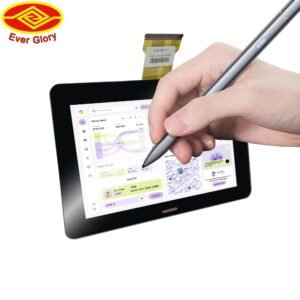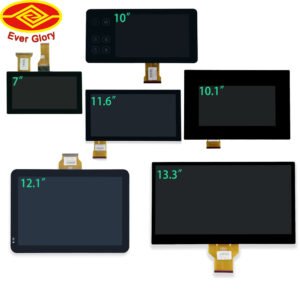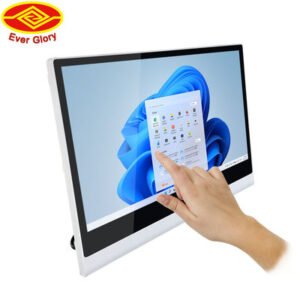
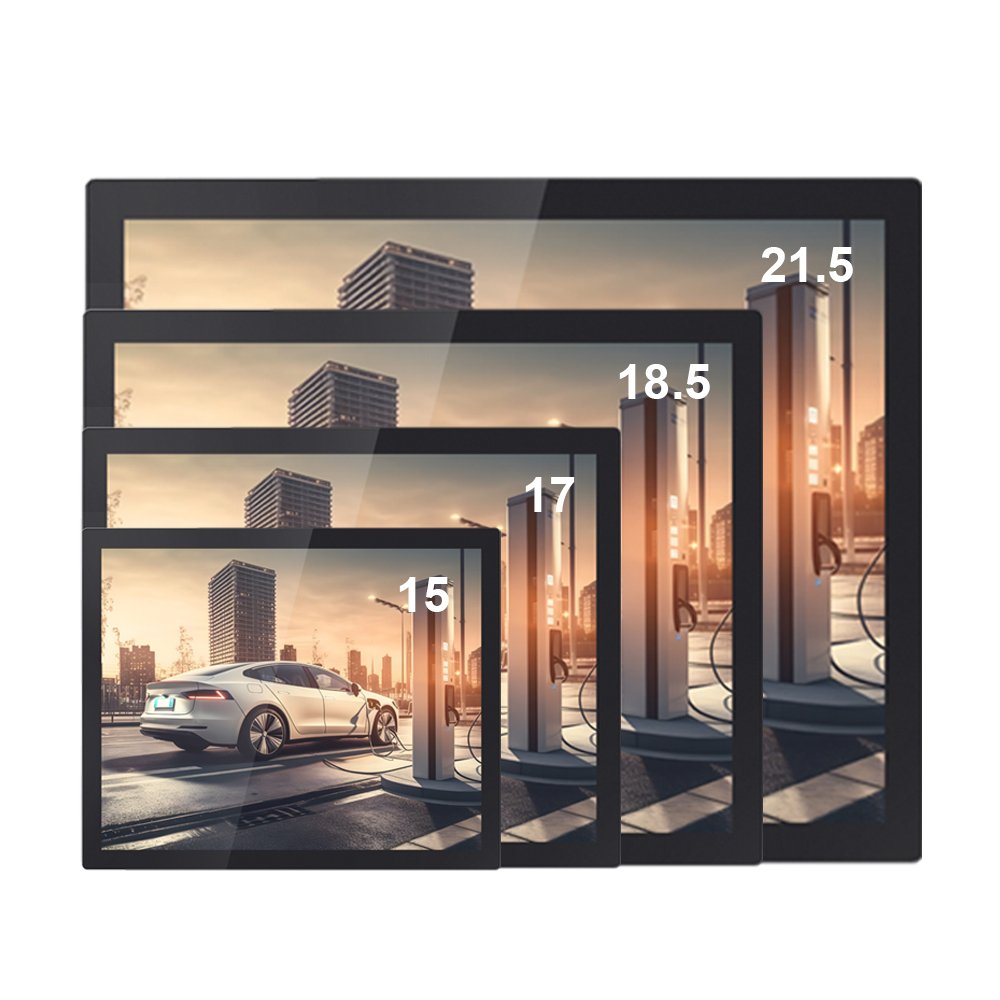
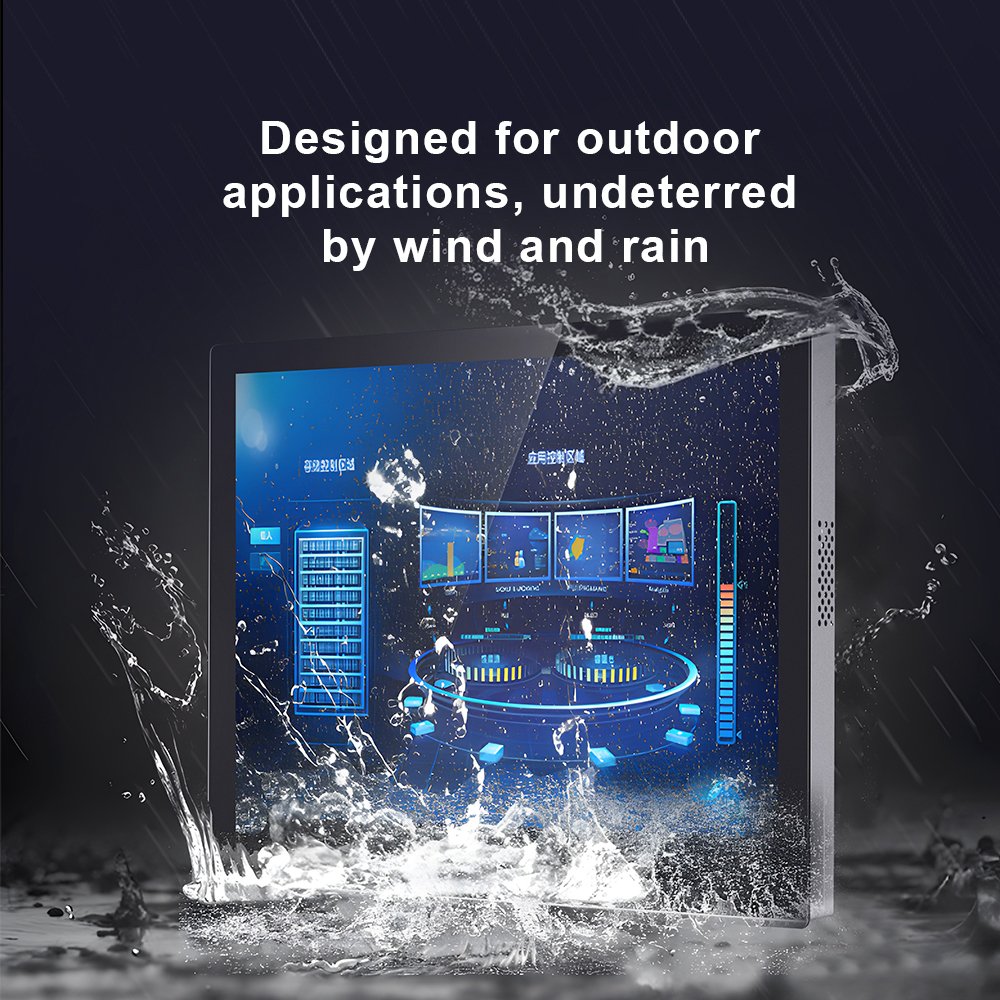
Custom Touch Display Modules (PCAP + LCD) for OEM/ODM Projects
Build a reliable HMI or interactive device with a touch + display stack engineered for your environment. Our custom touch display module solutions are ideal for various applications. We integrate PCAP touch, cover lens, bonding, and LCD selection into one deliverable—optimized for stability,
readability, and long-term field performance.
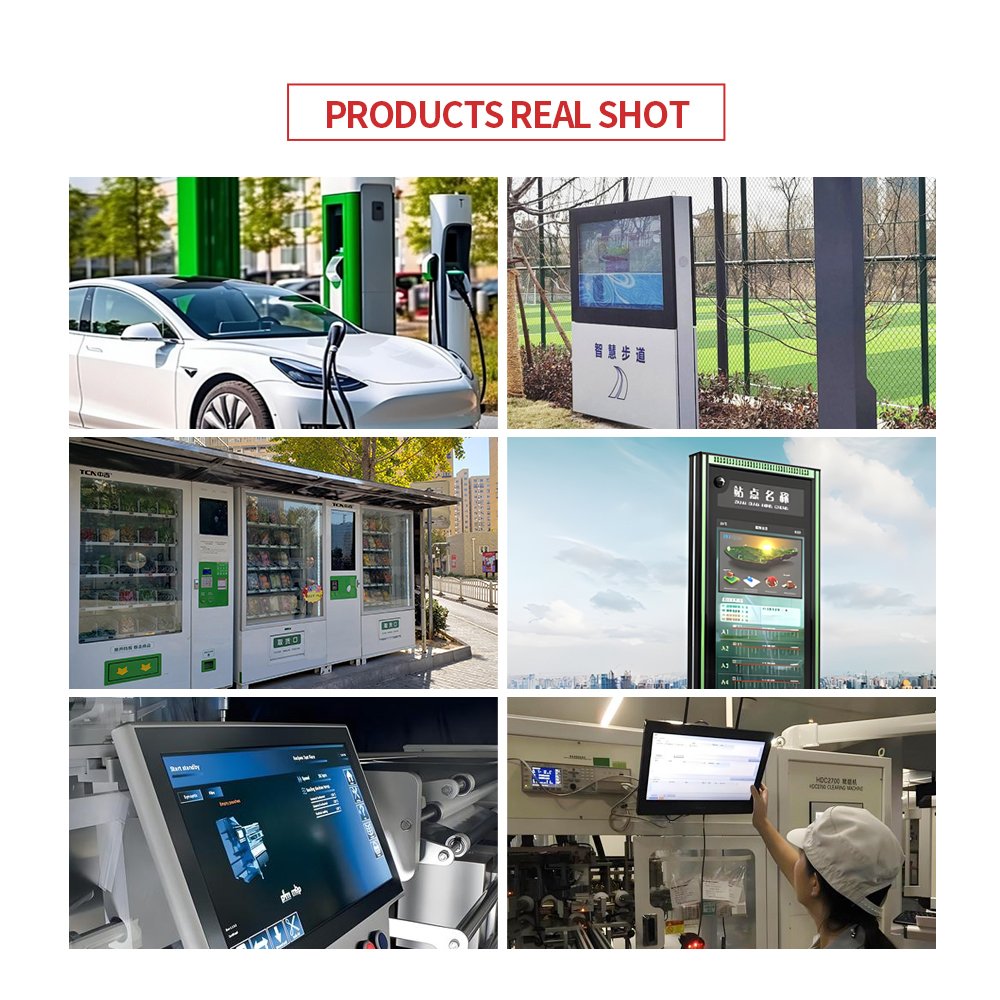
- Best for: industrial HMI, kiosks/EV chargers, medical equipment, transportation, marine & outdoor systems
- Customization: size/resolution, cover glass & coatings, optical bonding, high brightness, glove/wet touch, EMI/ESD design
- Service model: OEM/ODM engineering support + stable production delivery
Get a Quote — Send your drawing/specs and we’ll recommend the best module stack.
What is a touch display module?
A touch display module is an integrated stack that combines a projected capacitive (PCAP) touch sensor with an LCD display,
then optimizes the full assembly (mechanical + electrical + optical) to match real deployment conditions.
Compared to sourcing touch and LCD separately, an engineered module reduces integration risk, improves stability under noise,
and shortens iteration cycles.
System stability
Stack design, grounding guidance, controller tuning, and bonding choices help reduce ghost touch and drift after enclosure assembly.
Optical performance
Improve readability with bonding + coatings. Match brightness and glare control to outdoor or reflective environments.
Manufacturability
Standardize key parts and validate a stable BOM to control cost, lead time, and long-term supply continuity.
Key configuration options (choose by environment)
Touch stack
- PCAP structure: G+G / G+F / G+FF
- Touch points: 5/10/20 (as required)
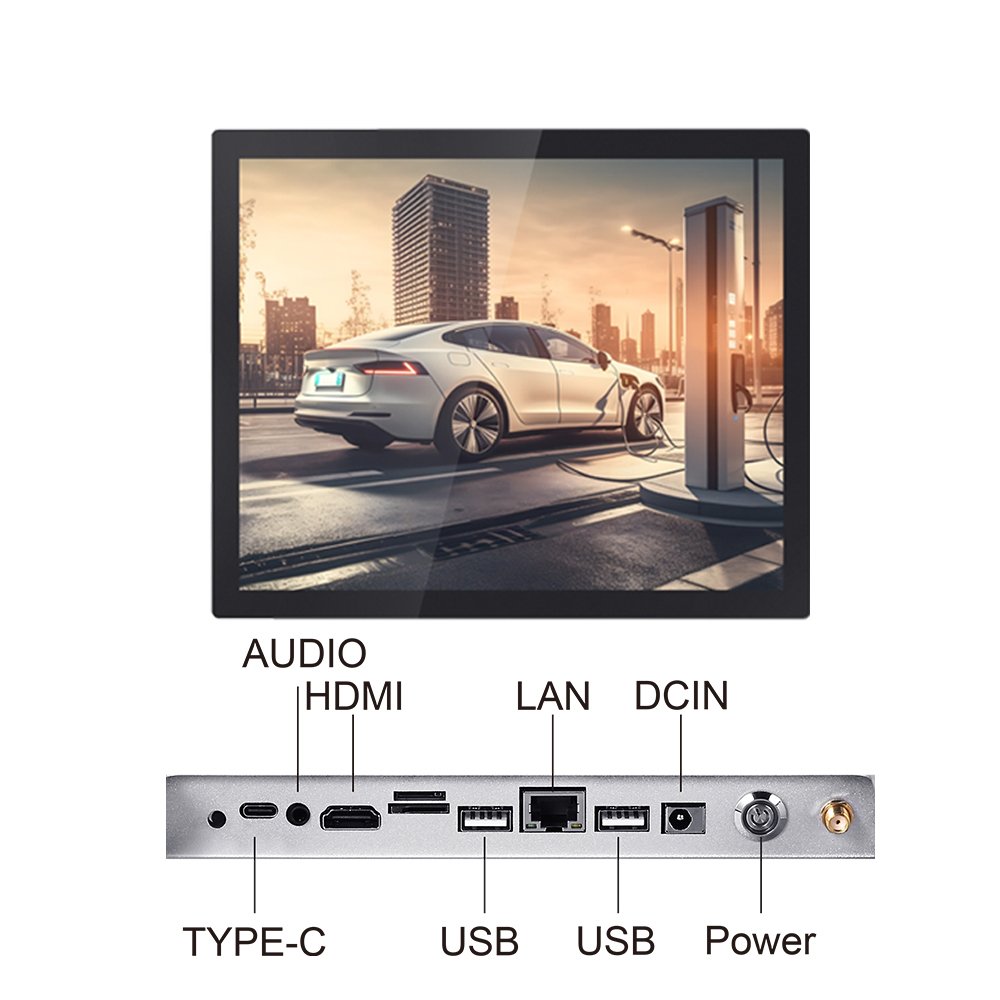
- Interface: USB / I2C (by mainboard design)
Cover lens & coatings
- Thickness & strengthening matched to IK / vandal risk
- AG / AR / AF options for glare and cleaning behavior
- Black border printing & custom window
Optical bonding
- Higher contrast & reduced reflections
- Better outdoor readability with proper stack design
- More stable feel under vibration vs air-gap in many deployments
Outdoor / harsh environment
- High brightness options (project-based)
- Glove touch and wet-touch tuning
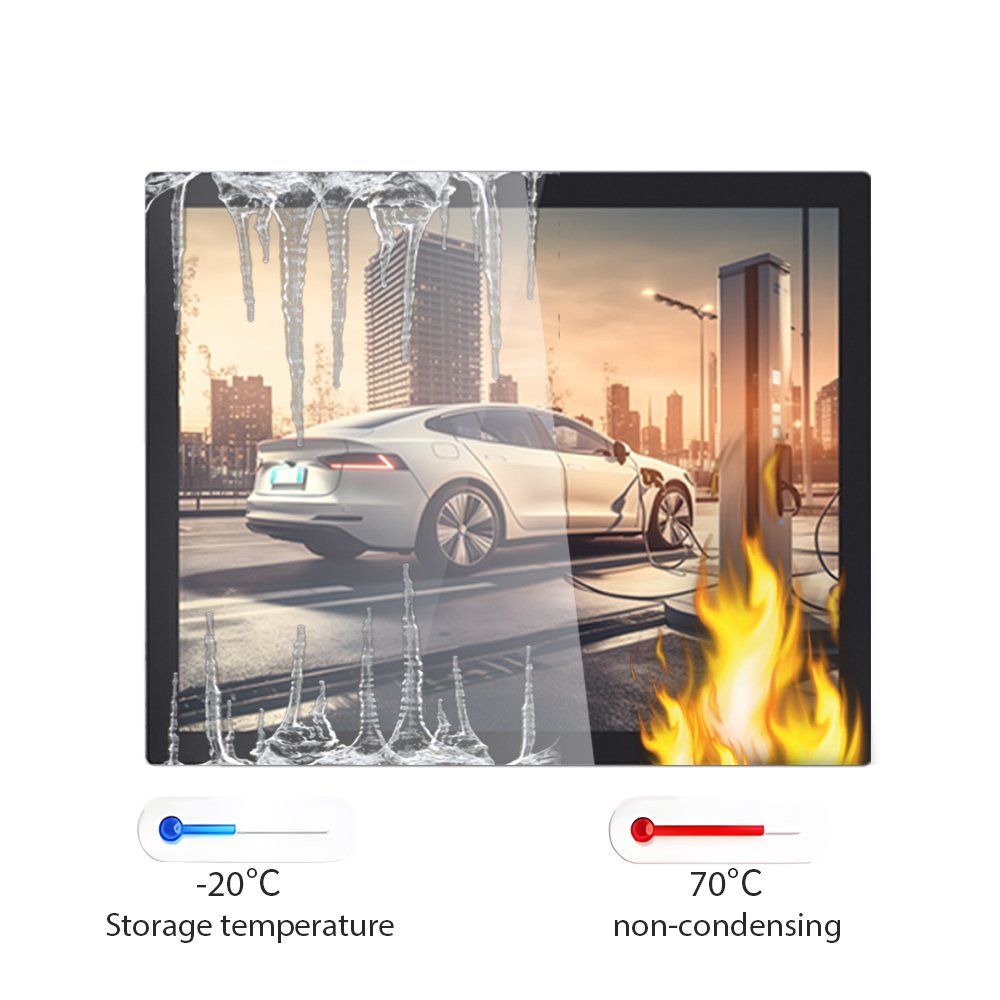
- Wide-temperature components and sealing strategy (front IP as required)
EMI/ESD & reliability
- Shielding and grounding guidance
- Controller tuning for noise immunity
- Validation checklist aligned to your compliance needs
Mechanical integration
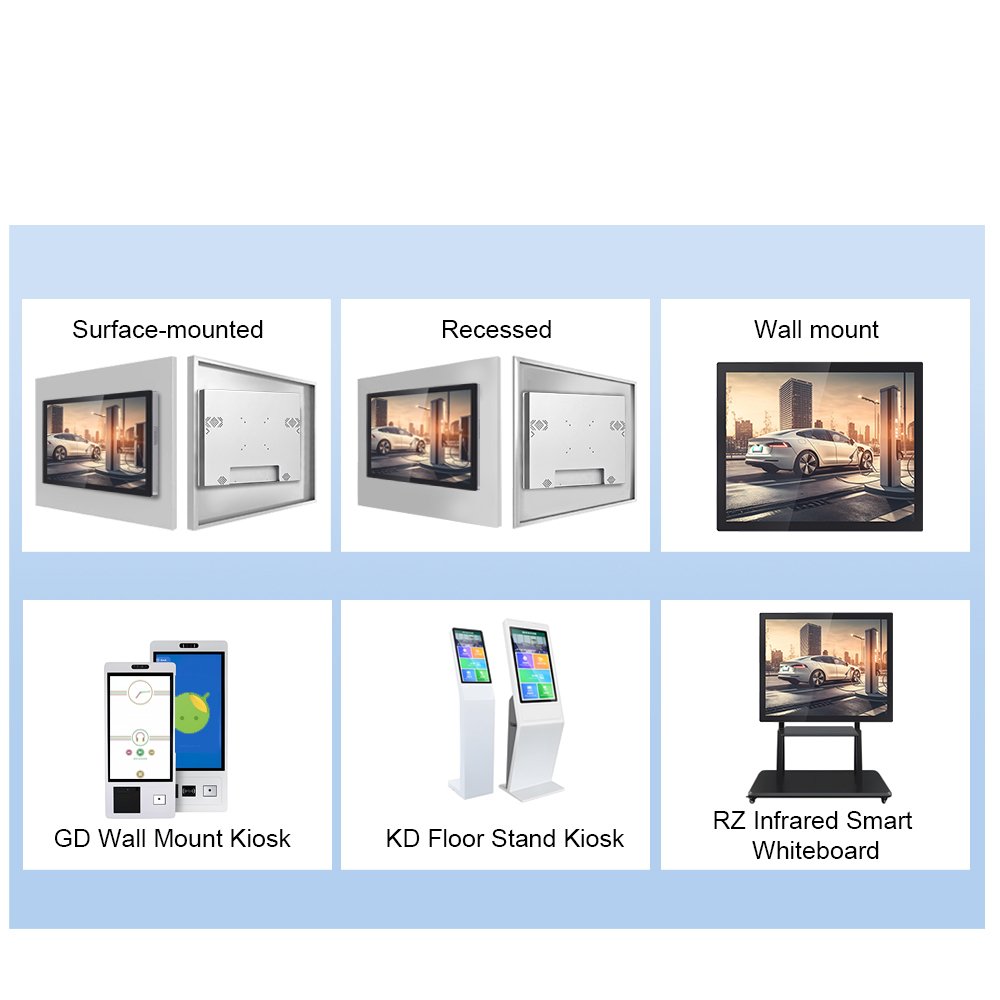
- Mounting method matched to enclosure stress risk
- Bezel & gasket coordination (if sealing)
- Cable routing recommendations for stability
Related categories:
Touch Display Module |
Capacitive Touch Panel |
Touch Screen Monitor
Applications
We build touch display modules to match real scenes—not generic catalog parts. Explore common scenarios:
How to specify your module (fast)
To shorten the engineering cycle, send the following items. We will confirm the stack and propose a stable BOM.
- Size & resolution (active area + outline size if you have it)
- Environment: indoor/outdoor, wet use, glove type, temperature range, vibration
- Readability target: typical lighting and whether sunlight readability is required
- Touch requirements: touch points, edge performance, palm rejection needs
- Mechanical: mounting method, cover glass thickness preference, sealing/front IP need
- Electrical: interface, grounding constraints, controller preference (if any)
- Volume & timeline: prototype quantity, pilot, mass production forecast
Send your specs — We can return a recommendation list and integration notes.
Quality, validation & risk control
Many field failures appear only after enclosure integration (stress, grounding, cable routing).
Therefore, we recommend validating modules using a structured checklist before deployment.
- Touchscreen Test Checklist (field validation)
- Touchscreen Tester (full QA workflow)
Need a one-page acceptance template for your project? Contact us and we’ll match it to your enclosure, UI, and environment.
Get engineering support.
FAQ
What is the difference between a touch display module and a touchscreen monitor?
A touch display module is typically an integrated touch + LCD stack designed for OEM integration (your enclosure, your mainboard).
A touchscreen monitor is a more complete finished unit with enclosure and standard I/O for direct use.
Can you support glove touch and wet touch for outdoor equipment?
Yes. PCAP can be tuned for glove and wet-touch behavior. For outdoor projects, we also recommend validating under real water film
and in the final enclosure configuration.
When is optical bonding recommended?
It is commonly recommended for outdoor readability, vibration resistance, and reflection control—especially when black UI screens
and strong ambient light are involved.
What do you need to quote quickly?
Size, resolution, brightness target, environment (temperature/wet/glove), interface preference, and expected volume.
If you have an enclosure drawing, it accelerates stack selection and risk control.
Custom Touch Display Module | PCAP + LCD Integration | OEM/ODM Engineering Information
This product is an integrated touch display module combining an LCD and PCAP touch solution for OEM equipment.
- Product Category
- Touch Display Module
- Product Role
- integrated LCD and PCAP touch display module for OEM equipment
- Size / Format
- custom size
- Best Fit
- embedded display, OEM equipment, kiosk and HMI integration
- Review Focus
- LCD size; Resolution; Brightness; LVDS / MIPI / RGB / HDMI; PCAP controller; USB / I2C; Optical bonding; Cover glass; FPC; Grounding; Mechanical stack
Information Needed for Review
- LCD size
- Resolution
- Brightness
- LVDS / MIPI / RGB / HDMI
- PCAP controller
- USB / I2C
- Optical bonding
- Cover glass
- FPC
- Grounding
- Mechanical stack
Typical Applications
embedded display, OEM equipment, kiosk and HMI integration
Common Engineering Questions
Is this touch display module a finished industrial monitor?
No. A touch display module is intended for integration into the customer's enclosure or equipment. A finished touch monitor additionally includes the monitor enclosure and external display interfaces according to the selected design.
What information is needed for engineering review?
Send the LCD size, resolution, brightness, display interface, touch controller and interface, bonding requirement, cover glass drawing, FPC direction, grounding plan and mechanical stack.
Does the supply boundary include a complete enclosure?
No. The standard module boundary is the integrated LCD and PCAP touch stack. Enclosure and finished-monitor requirements are reviewed separately.
Related Touch Display Module Products
For an accurate quotation, send drawings and application details instead of only screen size.