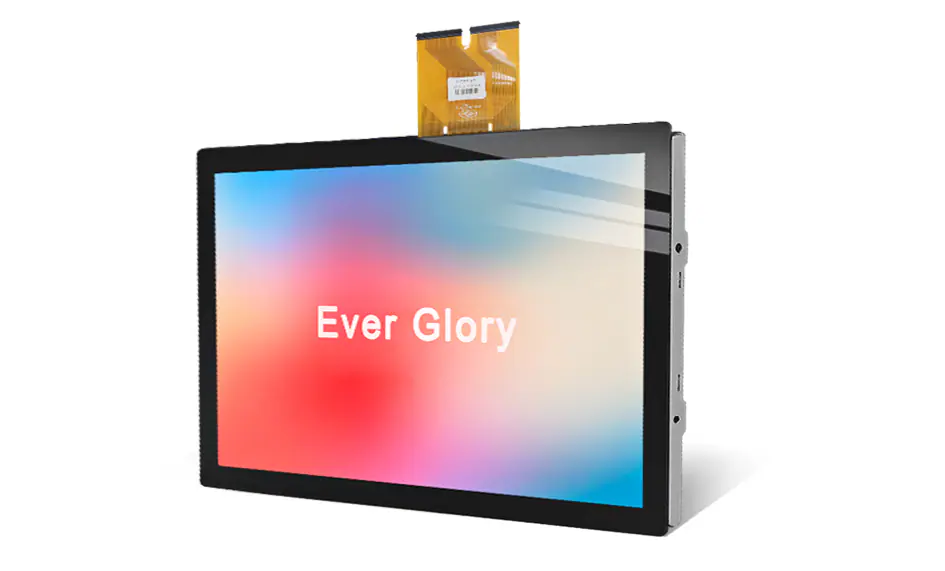
Embedded HMI
LCD, PCAP touch and cable routing coordinated for equipment control panels.
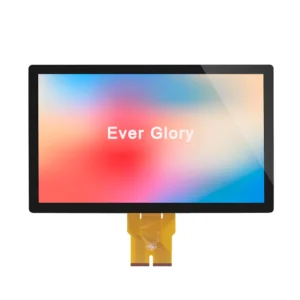
An LCD touch screen module combines an LCD and PCAP touch sensor with the agreed mechanical or bonding stack. Confirm the display interface, touch controller and whether a compatible driver board is included before comparing quotations.
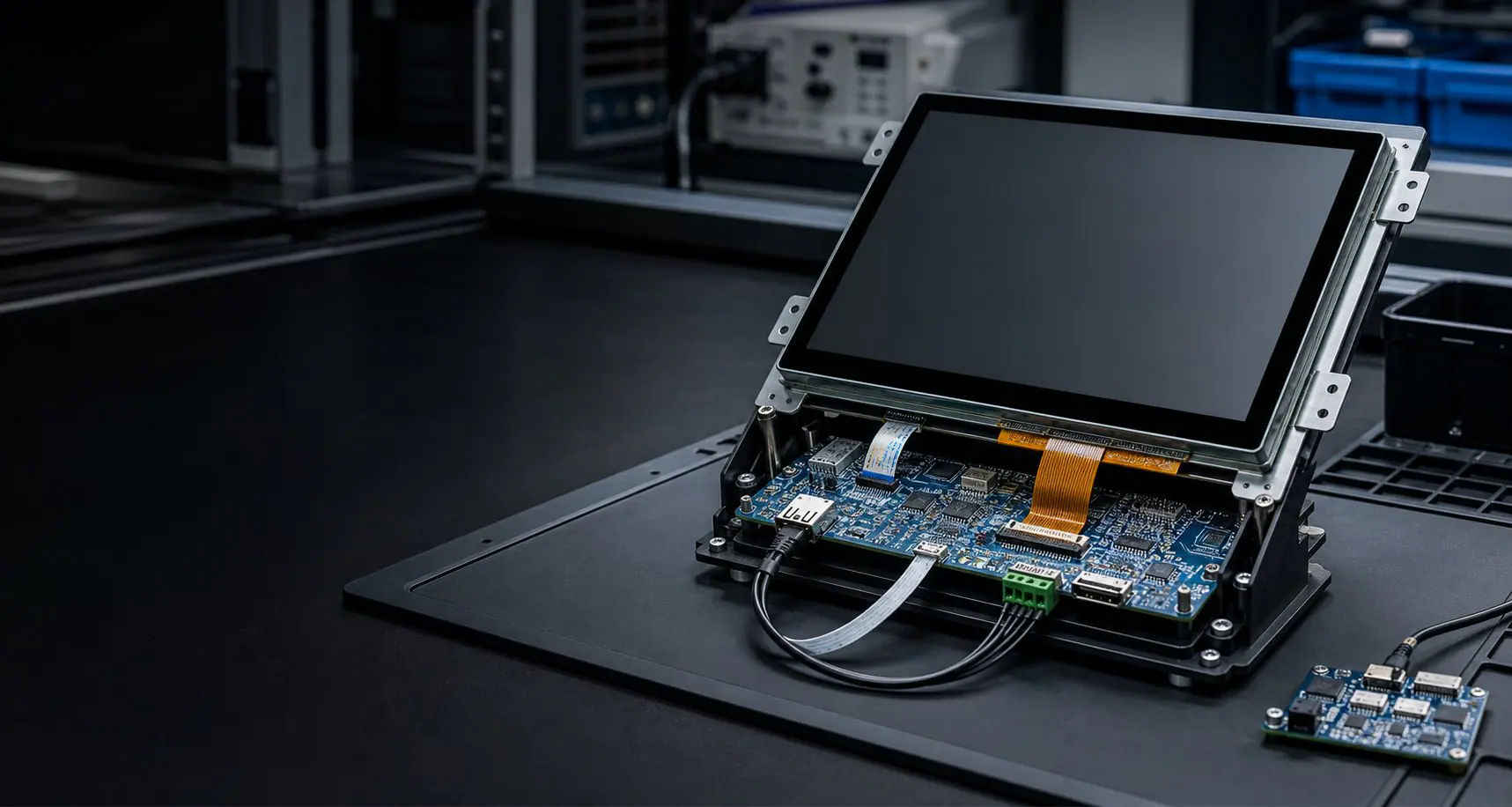
A touch display module project is easier to control when LCD sourcing, touch controller, glass, bonding and cable direction are reviewed together before enclosure design is locked.
LVDS, MIPI, HDMI, RGB, timing, connector and board support for the host platform.
Touch stackUSB HID, I2C, controller tuning, FPC route, glove touch and wet touch requirements.
Optical pathHigh brightness, optical bonding, reflection control and thermal review for outdoor or bright spaces.
OEM buildCover glass, mounting stack, cable exit, validation sample and long-term LCD availability.
Compare LCD touch module options by size, resolution, brightness, display interface, touch interface and bonding route. Send the mainboard output and mechanical envelope for a faster recommendation.
A touch display module combines the display and touch interface into a more integration-ready solution for OEM projects. Compared with ordering a touch panel and LCD separately, an industrial touch display module helps reduce assembly complexity, speed up prototyping, and improve stack consistency across pilot and mass production.
On this page, you can explore LCD touch display modules for HMI, self-service terminals, medical devices, transportation equipment, and custom industrial products. Depending on the project, a touch display module may include the cover lens, touch sensor, LCD, optional optical bonding, and mechanical design support for smoother integration.
A touch display module is better suited for OEM projects that want to reduce assembly steps and move faster from sample to validation.
Module-level integration helps control alignment, visual quality, and optional bonding consistency better than separate sourcing.
Module projects can be planned around the final use condition, not just the component size.
The best touch display module is chosen based on the full product architecture. For industrial and OEM programs, buyers should define the target environment, display quality expectations, touch conditions, and integration constraints before selecting a module.
| Option | Best For | Main Advantage | Typical Consideration |
|---|---|---|---|
| Touch Panel (TP) | Customers with their own LCD integration path | Maximum component-level flexibility | More integration work on the customer side |
| Touch Display Module | OEM projects needing integrated LCD + touch | Faster integration and better stack consistency | Needs clear early definition of full module structure |
| Touchscreen Monitor | Projects needing ready-to-deploy display hardware | Lower system assembly work for end customer | Larger product scope and enclosure decisions |
Brightness, viewing angle, and optional optical bonding affect how clearly the interface can be read in real operating conditions.
Glove touch, wet touch, EMI environment, and system grounding can affect final touch stability after integration.
Module success depends on bezel pressure, sealing, stack thickness, and how the final enclosure supports the assembly.
A touch display module is an integrated assembly that combines the LCD and touch function into one more OEM-ready solution. It may also include the cover lens and optional optical bonding.
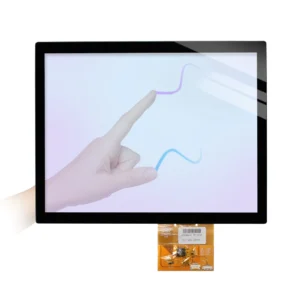
A touch panel is the touch input component only. A touch display module combines the LCD and touch stack, which reduces integration work and helps improve consistency.
Yes. Many industrial touch display modules can include optional optical bonding to improve readability, reduce internal reflection, and enhance stack stability.
Yes. This depends on the touch technology, controller tuning, and the target environment. Many industrial PCAP module projects are optimized for these conditions.
A touch display module is often the better choice when you want integrated LCD + touch performance but still need to build the final enclosure or system around your own OEM design.
Tell us your LCD size, brightness target, touch requirements, and enclosure conditions. We will recommend the right module structure for your project.
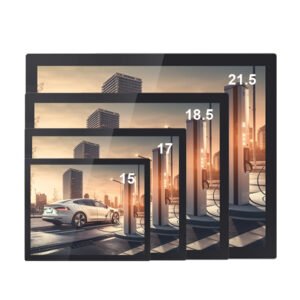
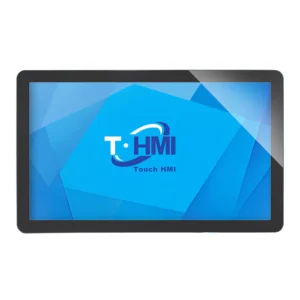
Integrated LCD touch display module path for OEM equipment that needs coordinated display, touch and mechanical fit.
Read more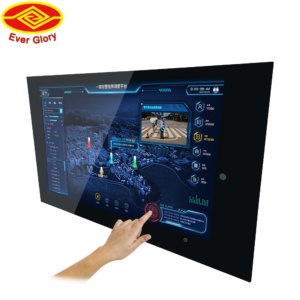
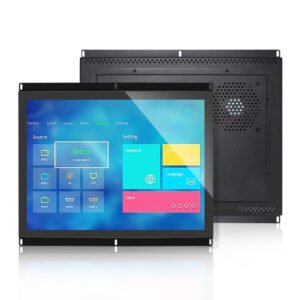
Compact HMI display module for controllers, wall-mounted equipment, kiosks and embedded device interfaces.
Read more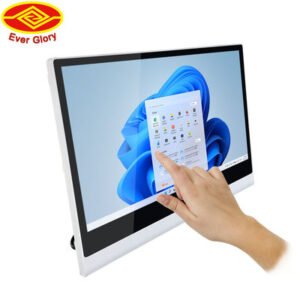
High-resolution LCD module route when display timing, board support and image quality are the main decisions.
Read more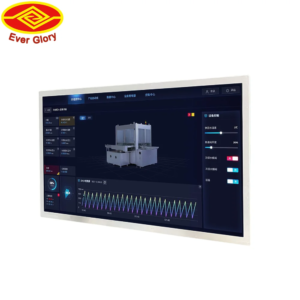
Compact HMI display module for controllers, wall-mounted equipment, kiosks and embedded device interfaces.
Read more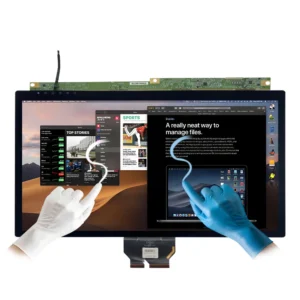
Integrated LCD touch display module path for OEM equipment that needs coordinated display, touch and mechanical fit.
Read more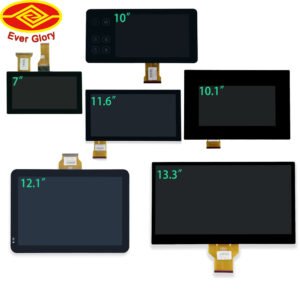
Compact HMI display module for controllers, wall-mounted equipment, kiosks and embedded device interfaces.
Read more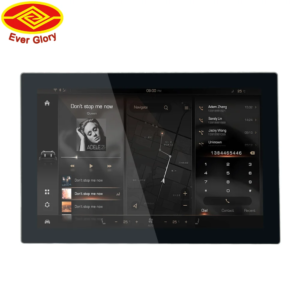
Integrated LCD touch display module path for OEM equipment that needs coordinated display, touch and mechanical fit.
Read more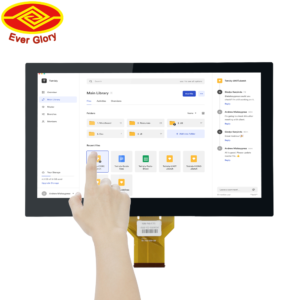
Integrated LCD touch display module path for OEM equipment that needs coordinated display, touch and mechanical fit.
Read more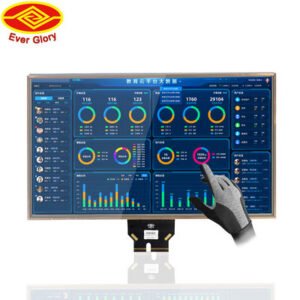
Large or exposed-use module path where sealing, brightness, glass strength and thermal review matter most.
Read more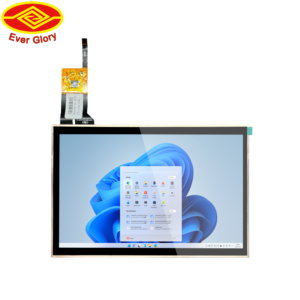
Large-format touch display module for operator stations, dashboards, kiosks and embedded industrial systems.
Read more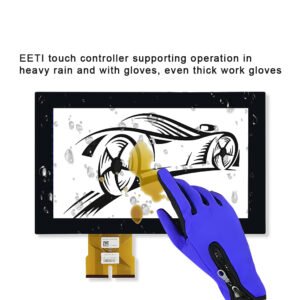
Integrated LCD touch display module path for OEM equipment that needs coordinated display, touch and mechanical fit.
Read more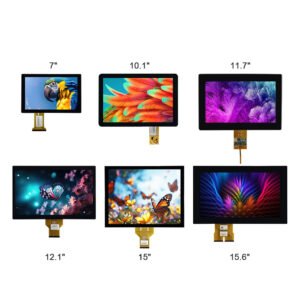
Integrated LCD touch display module path for OEM equipment that needs coordinated display, touch and mechanical fit.
Read moreDefine these requirements before selecting a standard module or asking for a custom LCD touch display build.
| Module requirement | Recommended focus | Why it matters |
|---|---|---|
| Mainboard output | LVDS, MIPI, HDMI, RGB, timing, connector and driver board support | Prevents signal mismatch and avoids redesign after the host board is chosen. |
| Outdoor readability | Brightness target, cover glass reflection, optical bonding and thermal review | Improves readability and front-stack durability in high ambient light. |
| Industrial HMI | PCAP controller, grounding design, EMC behavior, cable routing and mounting stack | Supports stable touch operation inside machines, cabinets and metal enclosures. |
| Production-ready OEM design | Drawing control, sample validation, LCD lifecycle and repeatable supply | Reduces batch risk after the module becomes part of the final equipment design. |
These examples show when a module-level build is more useful than buying the LCD and touch panel separately.
LCD, PCAP touch and cable routing coordinated for equipment control panels.
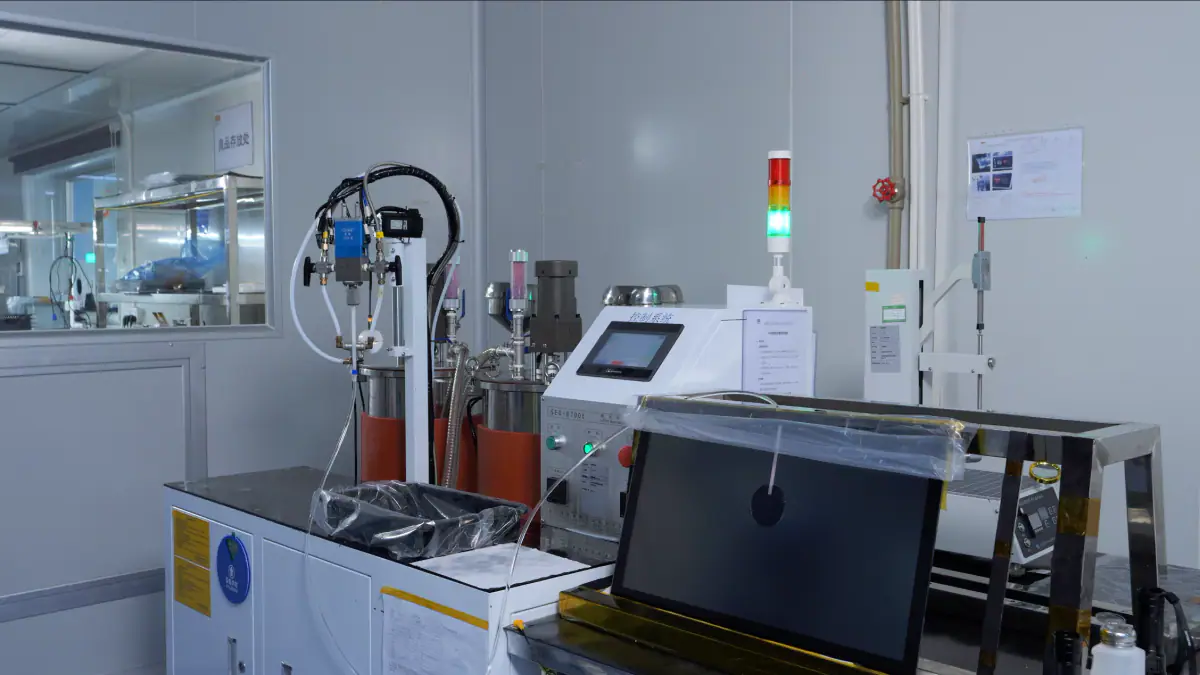
High brightness, anti-glare cover glass and bonding review for outdoor or bright environments.
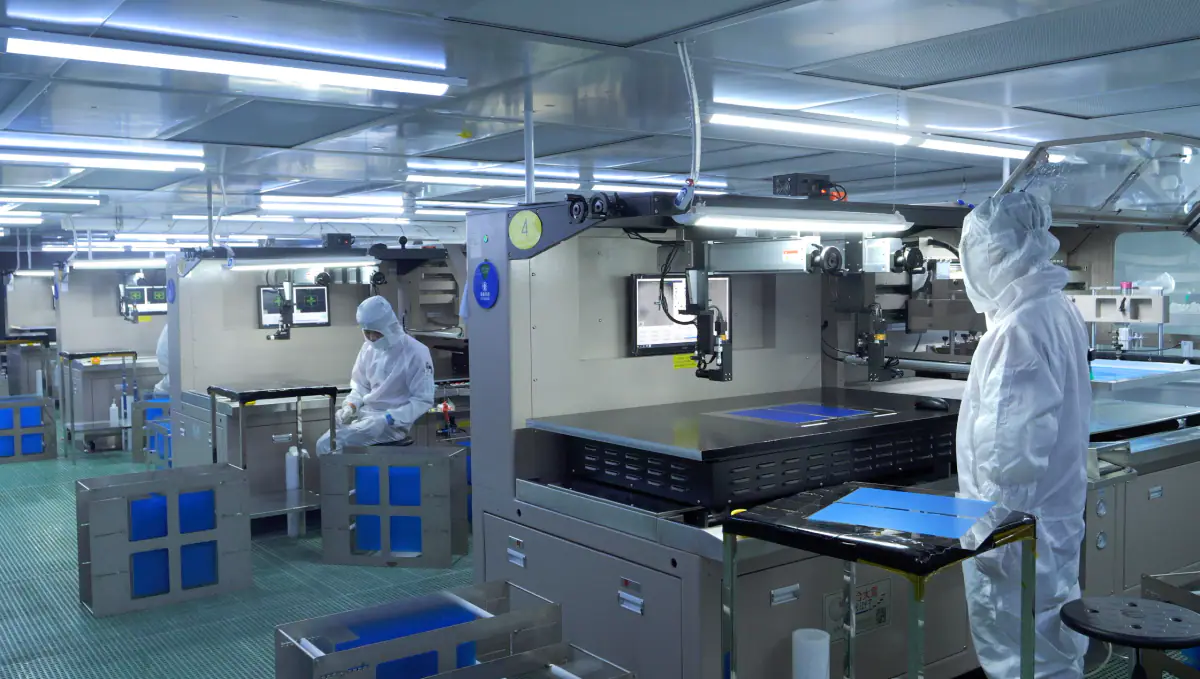
Module assembly for machine panels, factory terminals and production equipment.
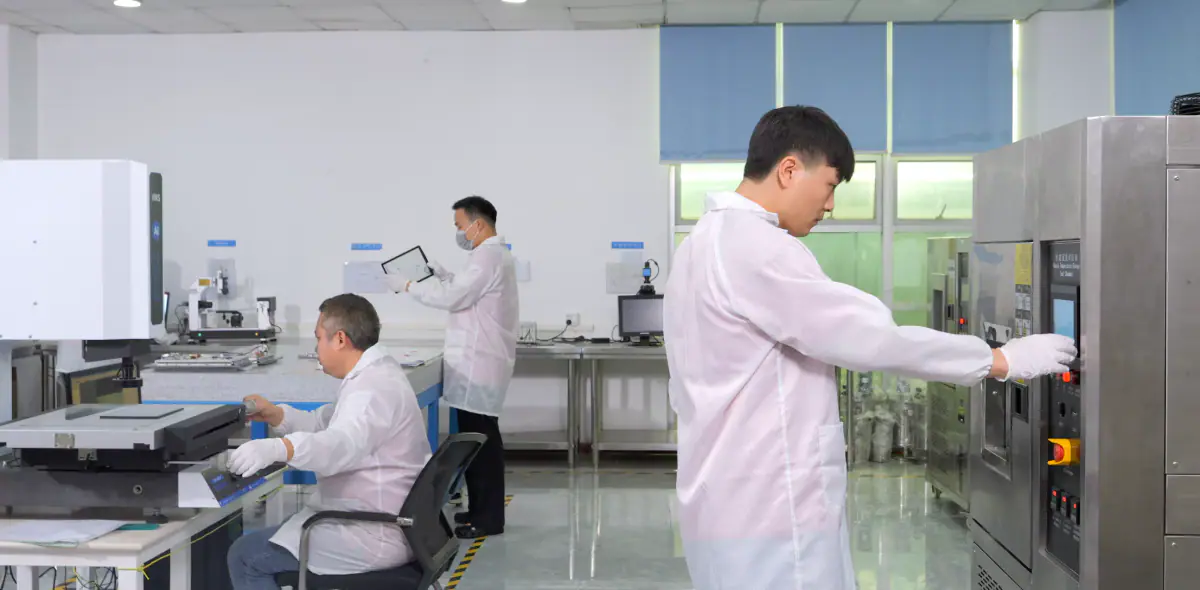
Stable touch behavior, front-glass review and repeatable inspection before production.
If a touch display module is not the right integration level, compare the nearby product routes before sending your RFQ.
For LCD touch display modules, quotation accuracy depends on size, resolution, brightness, display interface, touch interface, bonding method, cover glass and mechanical envelope.
Send module RFQ