High-Performance Touch Screen Panel for Monitor Engineering Information
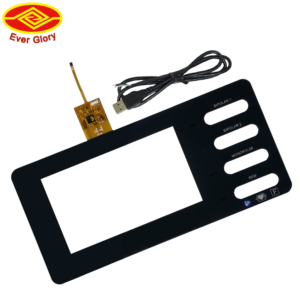
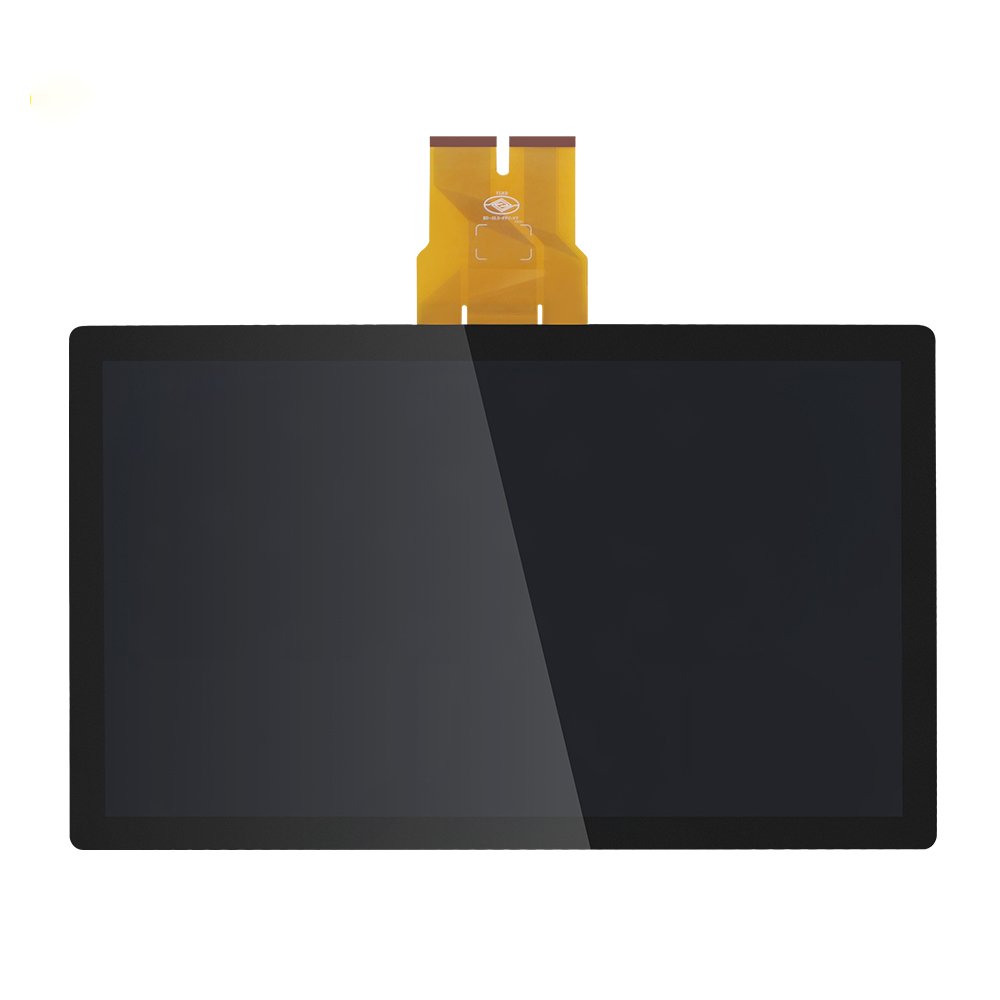
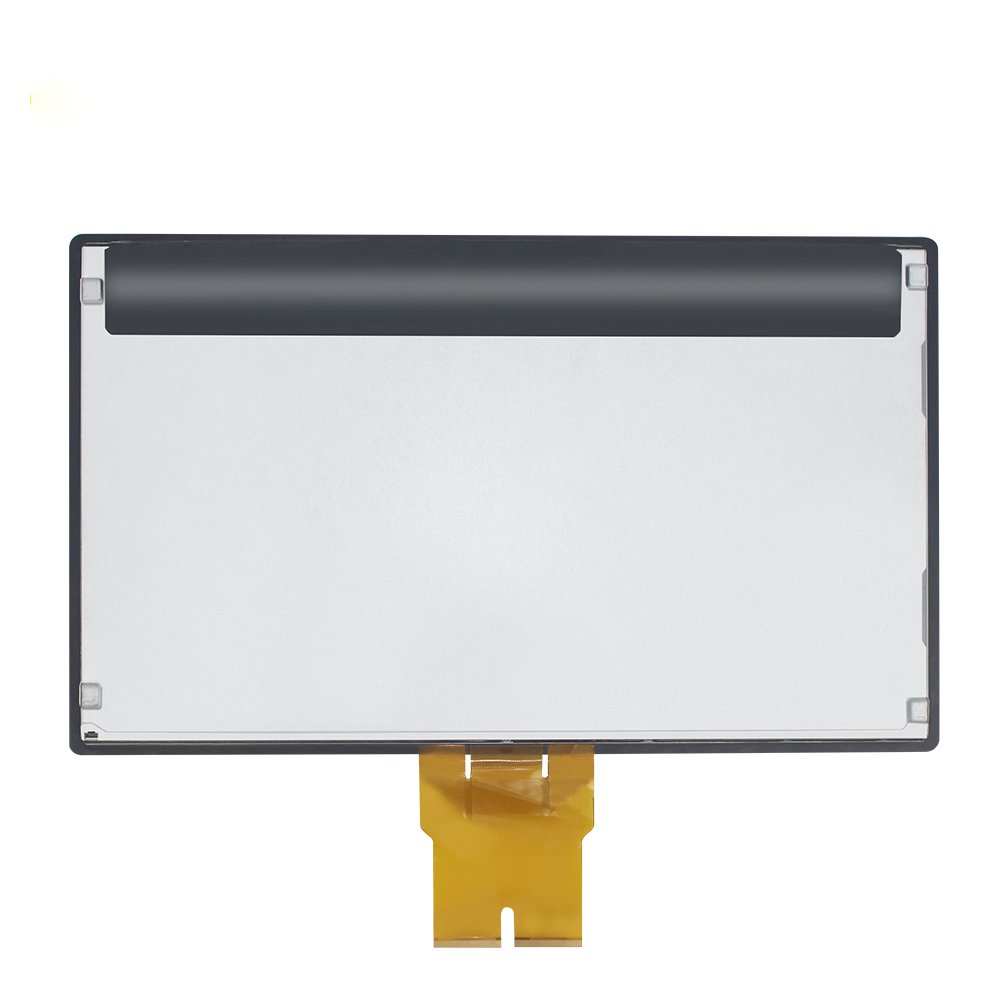
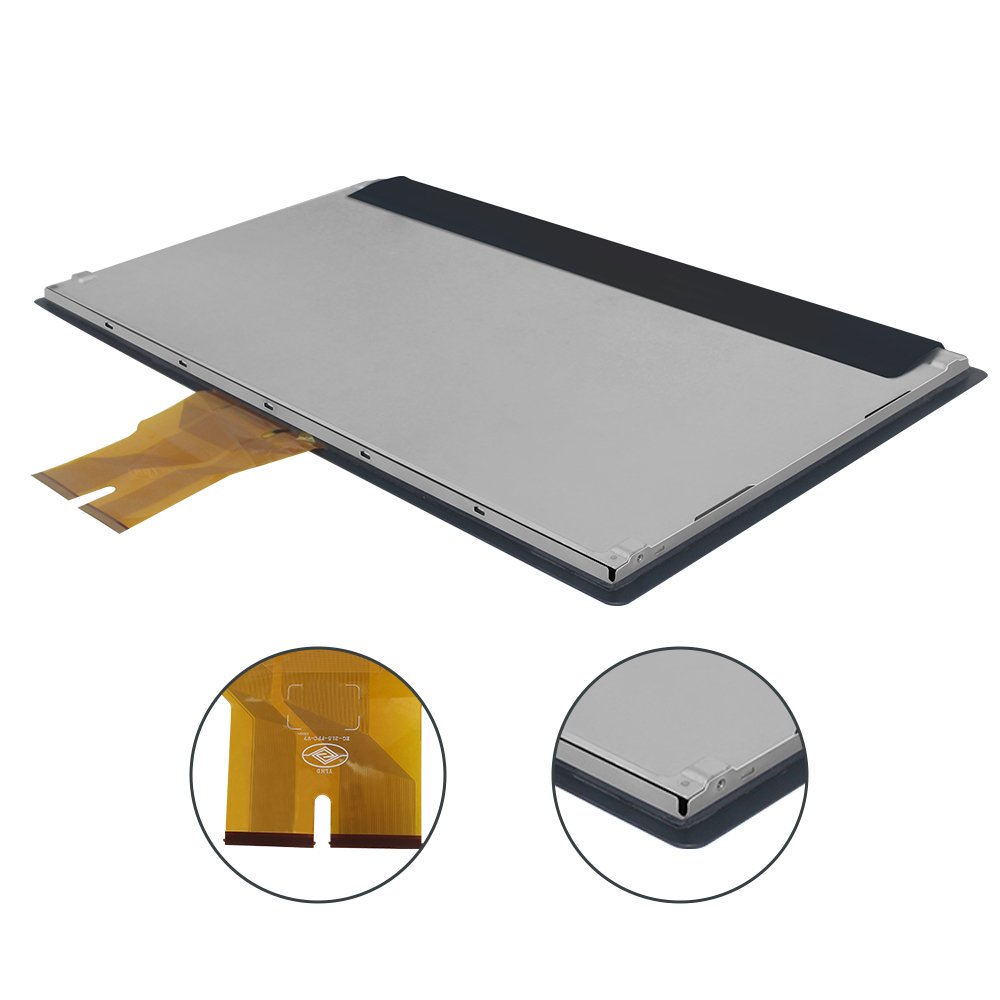
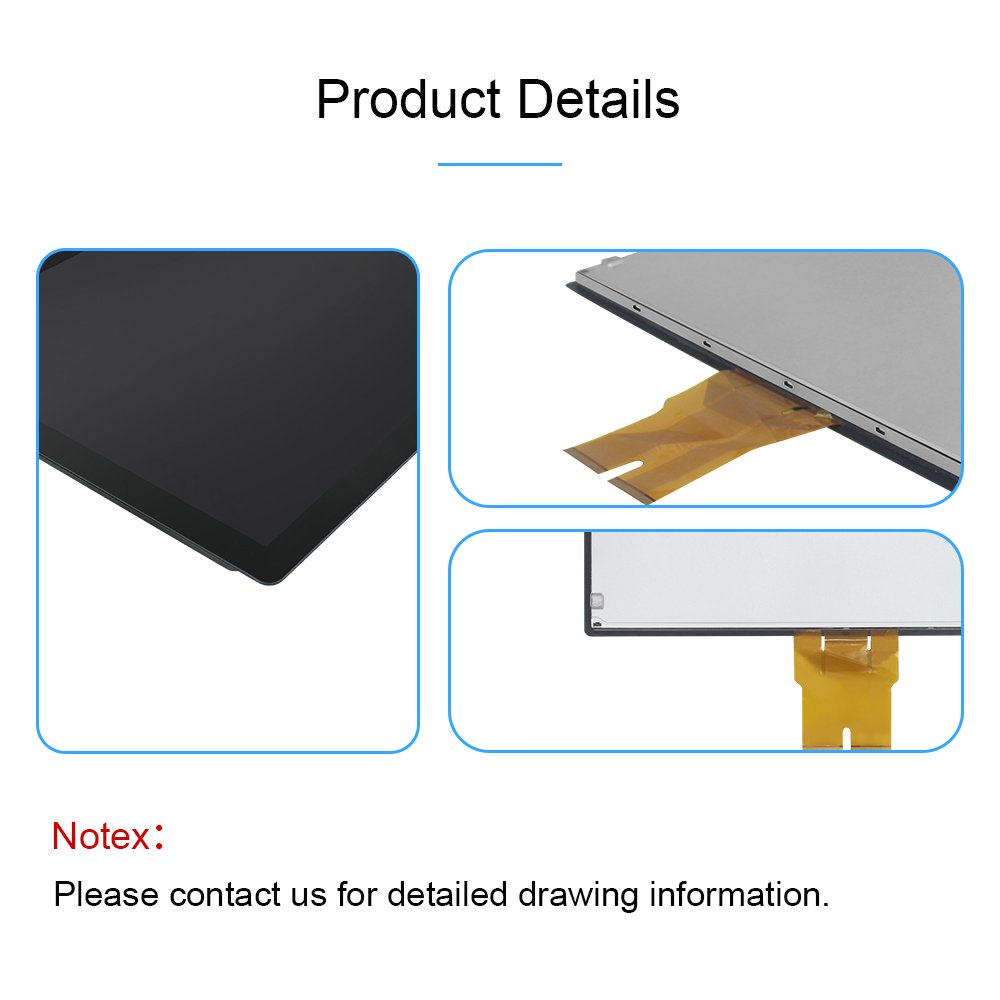
High-Performance Touch Screen Panel for Monitor is a custom size projected capacitive touch panel for display module and HMI integration. It is best reviewed with LCD data, glass drawing, USB HID, I2C or project-specific controller requirements, bonding method and the final industrial equipment, kiosks and embedded display projects.
- Product Role
- Touch-enabled HMI or display assembly component
- Size / Format
- custom size
- Best Fit
- custom PCAP projects where mechanical fit and controller tuning decide final performance
- Controller
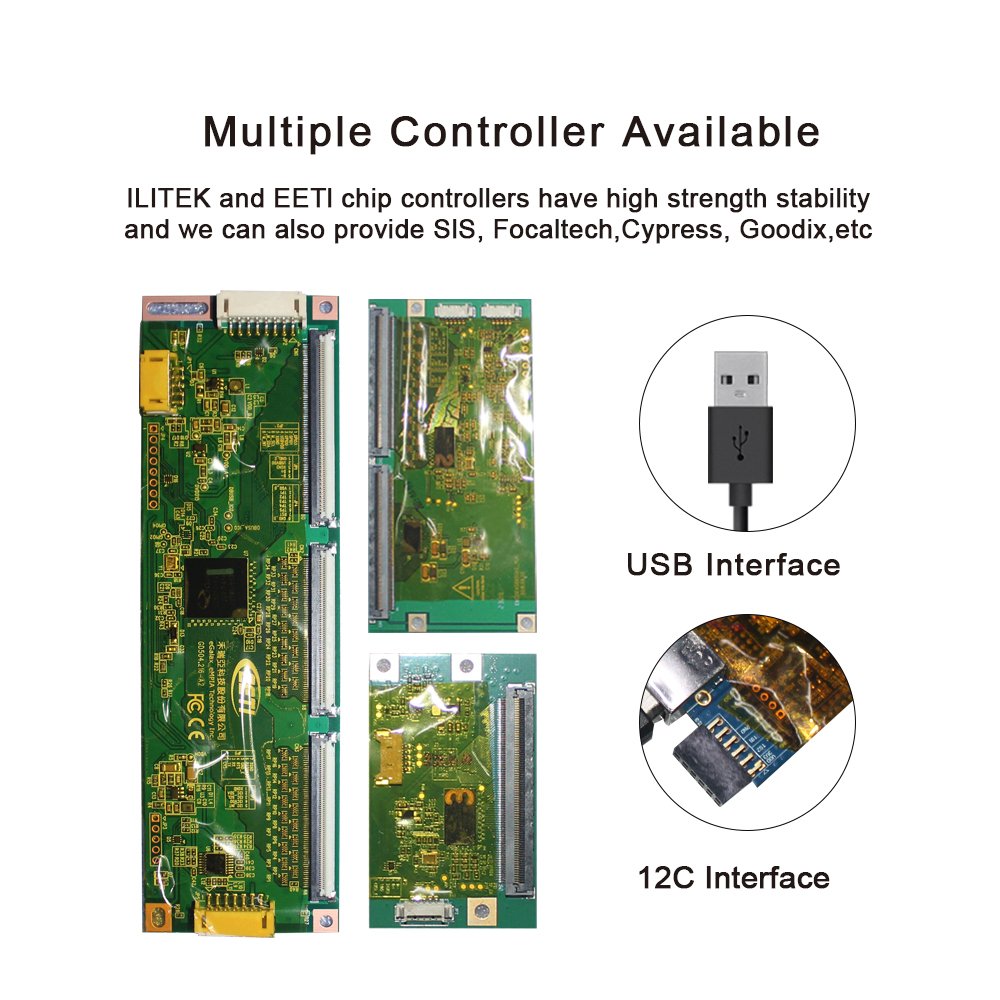
- USB HID, I2C or project-specific controller
- Cover Glass
- custom cover glass with printing and outline options
- Customization
- Glass outline, logo printing, black border, AG/AR/AF coating, FPC direction, connector and bonding method
Information Needed for Review
- LCD model, active area, visible area and mechanical drawing for the custom size structure.
- USB HID, I2C or project-specific controller requirement, communication interface and operating system or mainboard information.
- custom cover glass with printing and outline options, bonding choice, edge sealing requirement and housing tolerance.
- Operating temperature, humidity, glove or wet-touch expectation, EMI grounding and annual demand.
Typical Applications
custom PCAP projects where mechanical fit and controller tuning decide final performance
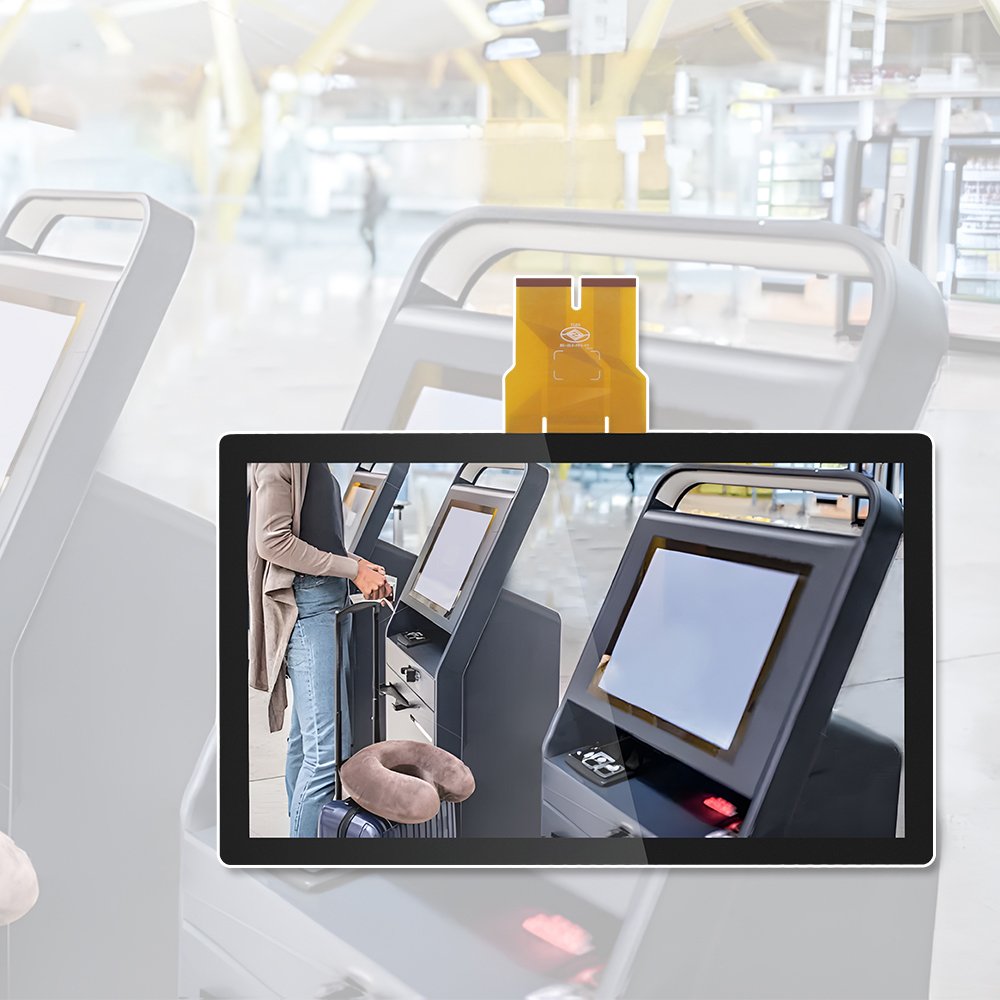
Industrial HMI panels, wall-mounted terminals, embedded displays and control equipment.
Projects that need stable PCAP touch performance after enclosure and firmware tuning.
Common Engineering Questions
Is this a standard off-the-shelf touch screen?
This custom size page is mainly for engineered projects. Ever Glory can review standard dimensions, but final drawings, controller choice and cover glass details should be confirmed before production.
What makes this page different from other PCAP products?
The focus here is custom PCAP projects where mechanical fit and controller tuning decide final performance. The key review points are USB HID, I2C or project-specific controller, custom cover glass with printing and outline options, bonding and the final installation environment.
What should be sent for a fast quotation?
Send the LCD model, drawing, interface request, FPC direction, glass thickness, surface treatment, target quantity and any glove, wet touch or EMI requirement.
Related Capacitive Touch Panel Options
For an accurate quotation, send drawings and application details instead of only screen size.