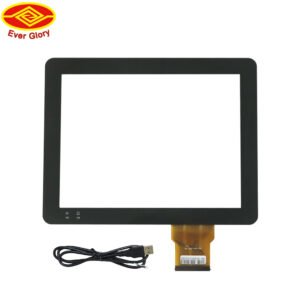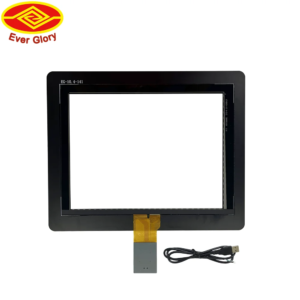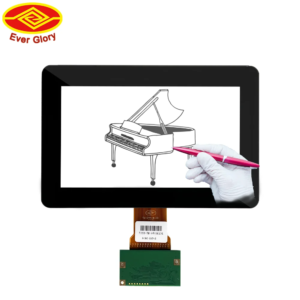
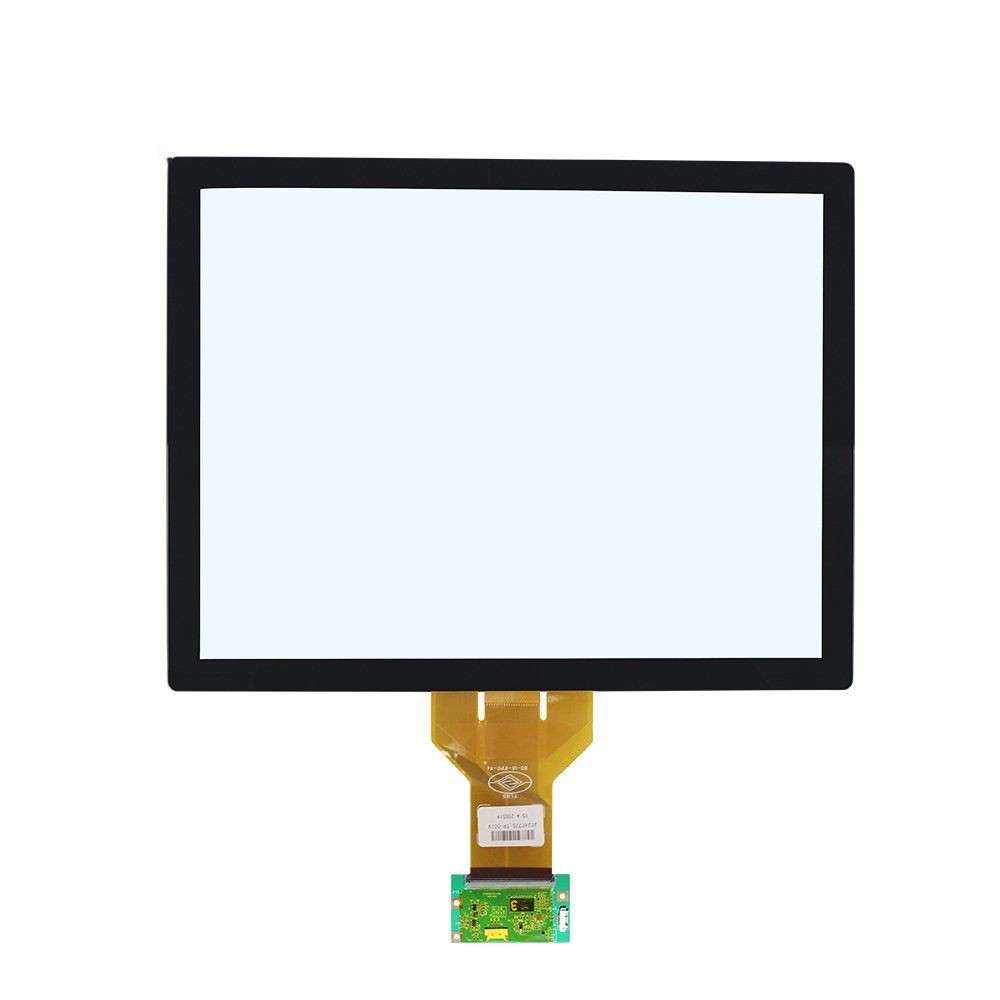
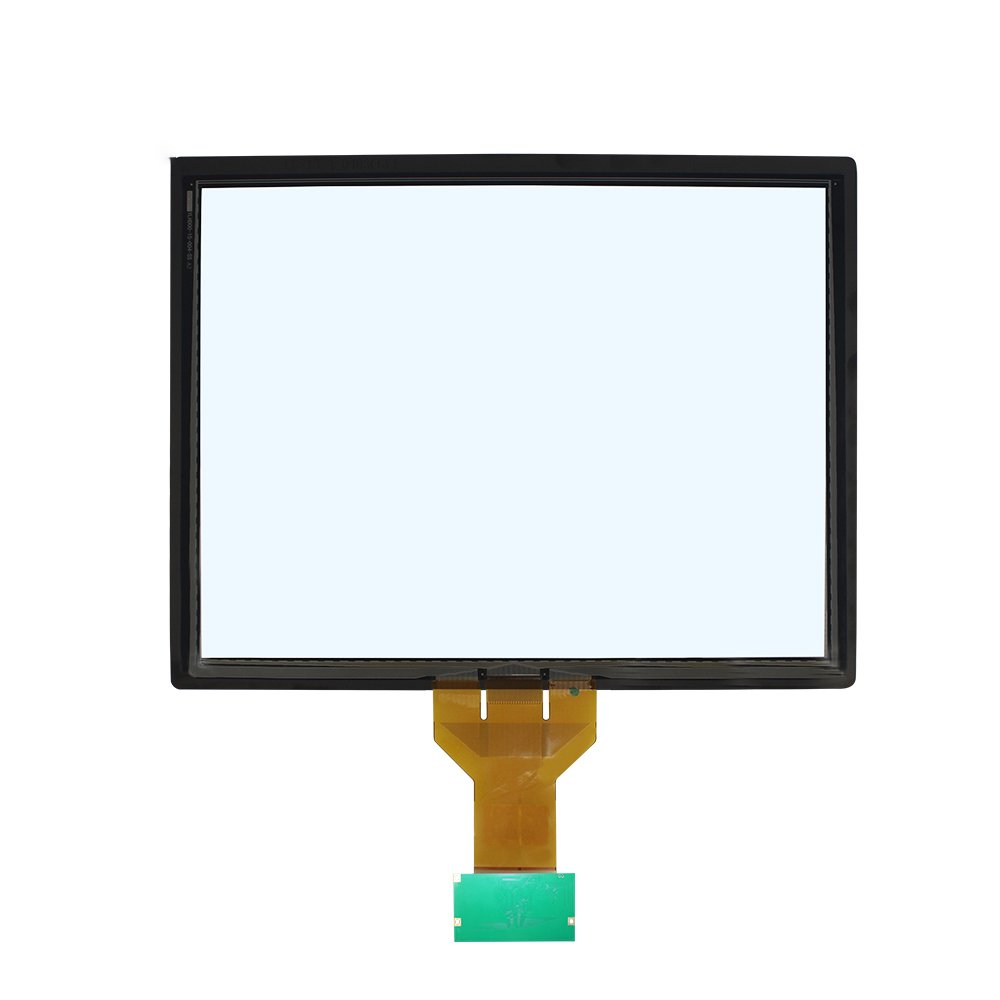
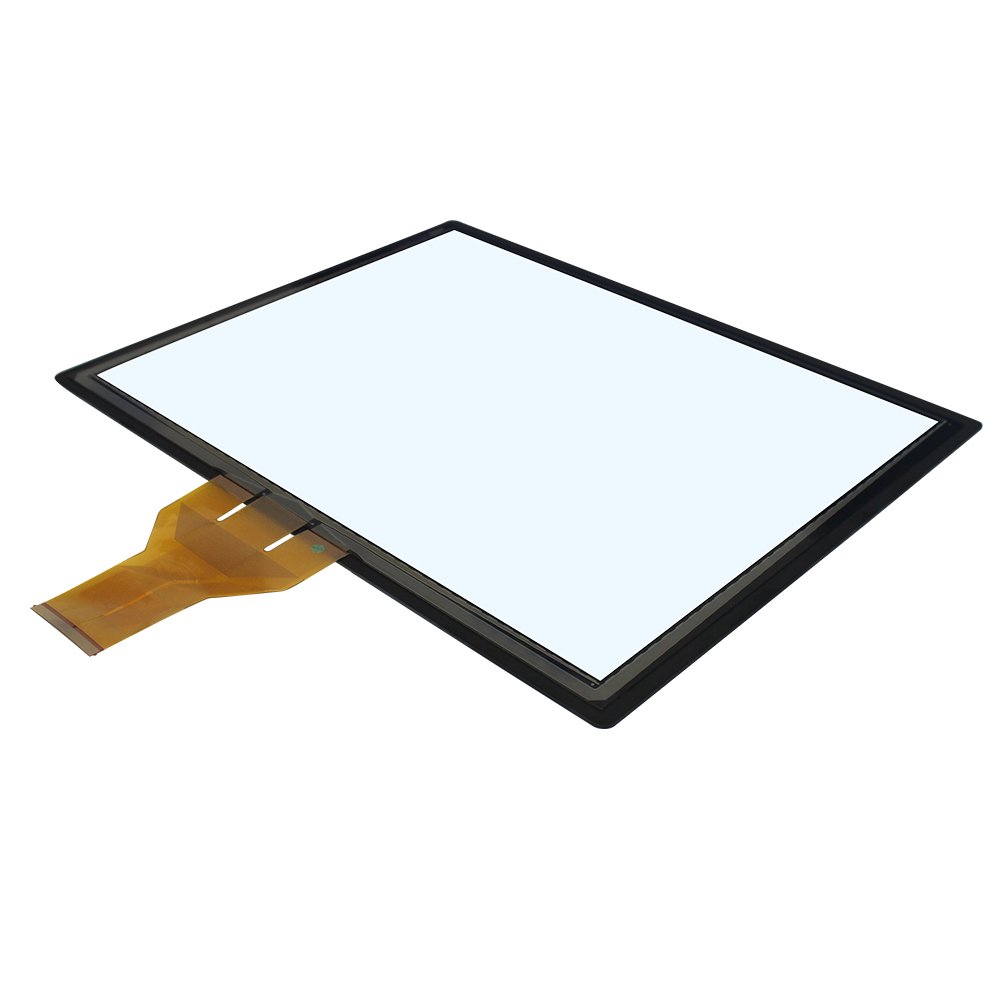
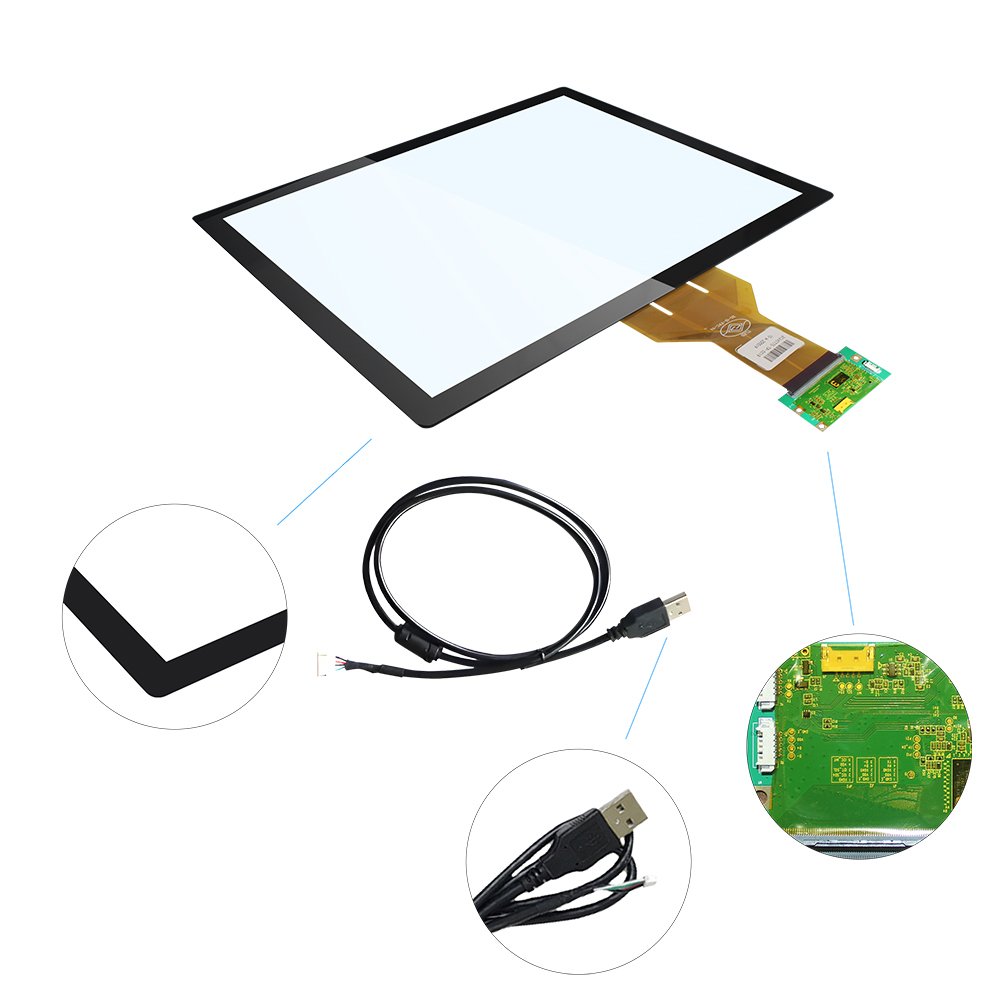
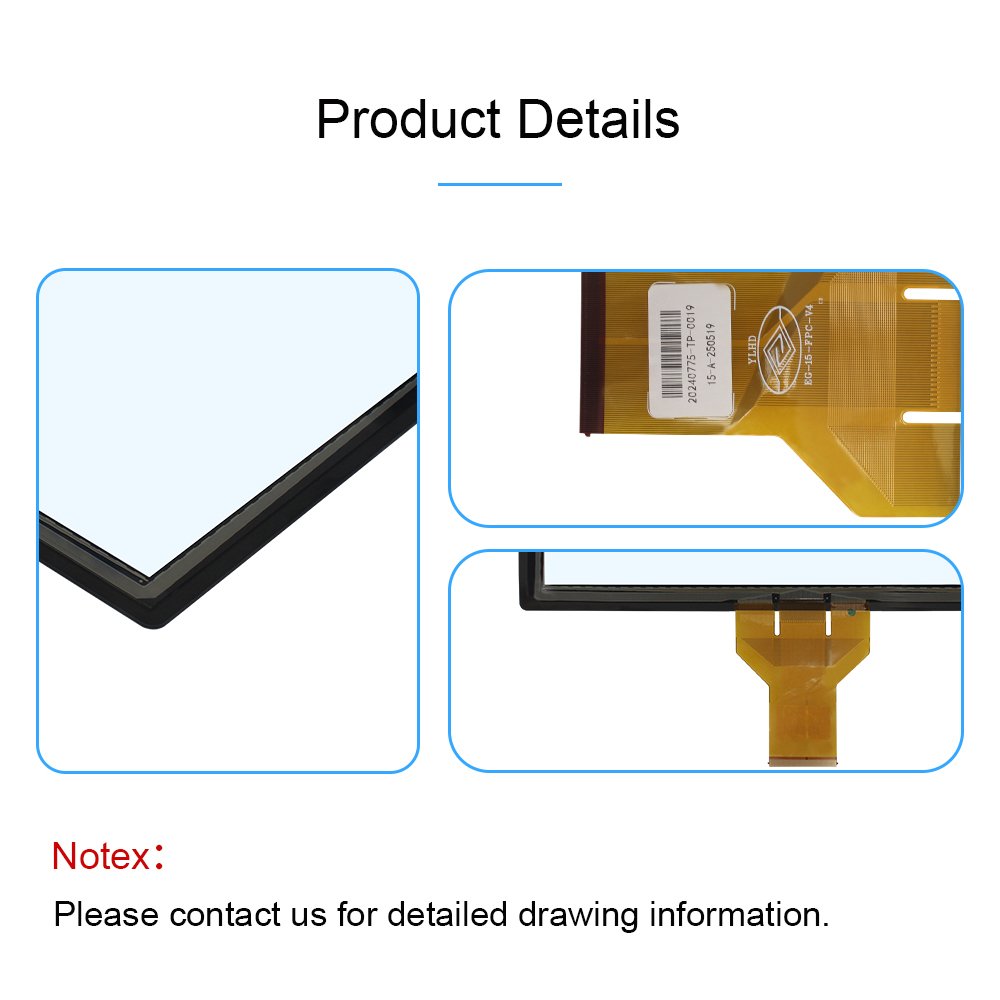
Custom Industrial Capacitive Touch Panel | High-Stability PCAP Touch Screen

Additional information

Additional information

Custom PCAP Touch Panel • High Stability • EMI / Gloves / Wet Touch

Custom Industrial Capacitive Touch Panel Solutions (High-Stability PCAP)

This page covers custom industrial capacitive touch panels designed for stable operation in real environments. Our high stability capacitive touch screen solutions are ideal for such conditions.
In industrial projects, “touch works on the bench” is not enough. Therefore, we focus on controller tuning, stack-up design, and integration details that prevent ghost touch,
edge issues, and random instability. In addition, the touch panel can be customized for size, cover glass,
coatings, bonding, and interface requirements. When using a high stability capacitive touch screen, these factors are crucial.

Use cases: industrial HMI, kiosks, EV chargers, medical equipment, gaming terminals, and marine controls.
What you can customize
Size range
Cover glass thickness
AG / AR / AF coatings
Optical bonding
Touch points
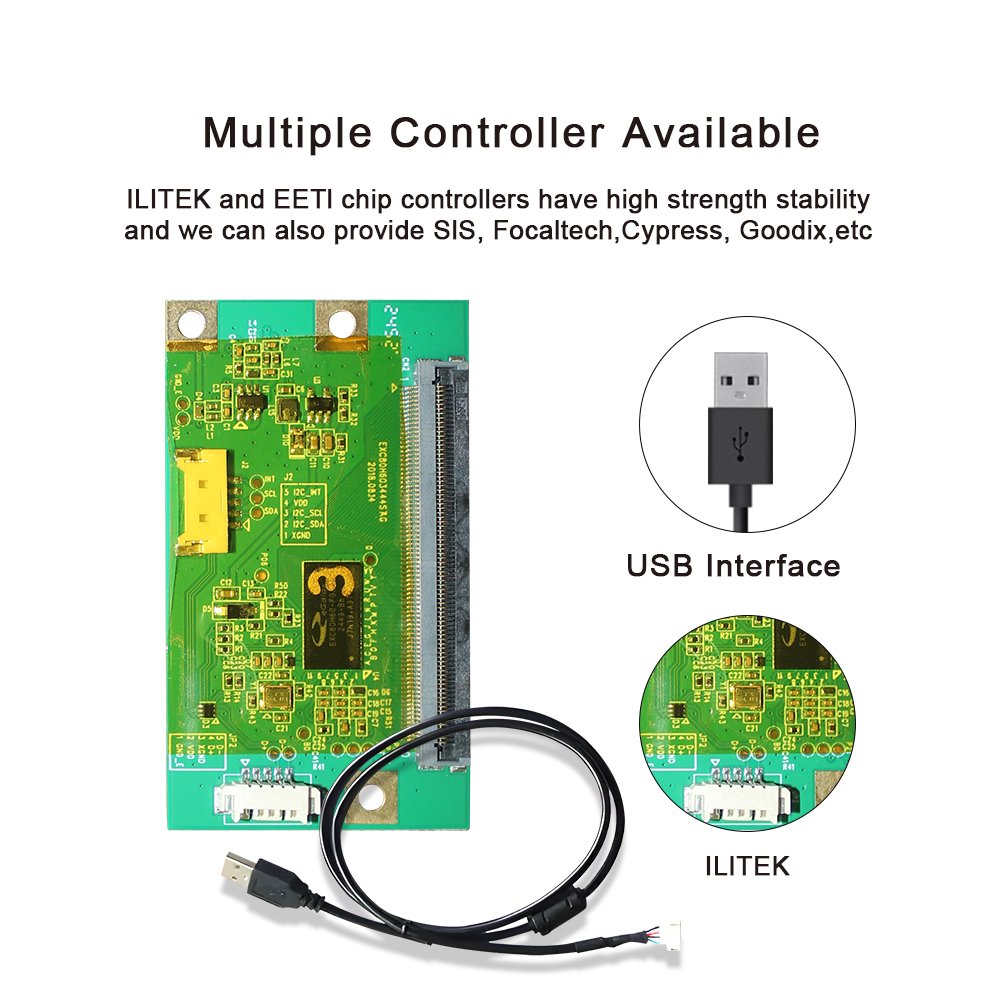
Controller tuning
FPC / interface
EMC stability target

If you need complete displays instead of panels only, browse:
industrial touchscreen monitors.

Why “high stability” matters
  • EMI noise: inverters, motors, and switching power supplies can trigger ghost touch.
  • Mounting stress: bezel pressure can shift baselines and reduce edge performance.
  • Gloves and water film: wet touch requires tuning, filtering, and validation for a high stability capacitive touch screen.
  • Field service cost: unstable touch creates downtime and repeated maintenance.

For a practical validation method, see the
touchscreen test checklist.

Key Design Elements (what drives stability)

1) Stack-up and cover glass

Glass thickness, coatings, and bonding affect touch sensitivity, readability, and durability in any high stability capacitive touch screen setup.

2) Controller tuning

Noise filtering, baseline tracking, and glove/wet touch parameters must match the use case.

3) Mechanical integration

Mounting flatness and gasket compression affect edges and long-term drift.

4) EMI and grounding

Cable routing and grounding design often decide whether touch stays stable in the cabinet.

For PCAP fundamentals and why fingers/gloves behave differently, read:
how capacitive touch screens work.

Specification Checklist (send this for quick review)

ParameterWhat to provideWhy it matters
Size & aspect ratioActive area or outline drawingDefines sensor design and mechanical fit
Cover glassThickness, chemical needs, strength targetImpacts durability and touch sensitivity
CoatingsAG / AR / AF requirementsControls glare, fingerprints, and readability
Touch points2 / 5 / 10+ pointsDefines controller and firmware configuration
Glove / wet touchGlove type and water exposure methodControls tuning and false touch risk
EnvironmentEMI sources, temperature, vibrationDetermines stability and filtering strategy
InterfaceFPC type, connector, cable lengthAffects integration and noise sensitivity
Sealing targetIP level and cleaning methodDefines gasket and enclosure requirements

Environment matching (quick guidance)

Wet / washdown areas

In wet environments, sealing is a system design. Therefore, define gasket compression, connector sealing, and cable entry early.

Reference:
waterproof touch screens (IP65)

Outdoor terminals

For outdoor projects, touch tuning and readability must be planned together. In addition, validate wet touch under real water film and gloves to ensure the high stability capacitive touch screen performs reliably.

Reference:
outdoor touch screen solutions
and
sunlight readable touch displays.

Pre-production validation (recommended)

  • Bench test: touch accuracy, edges, and multi-touch stability.
  • Environment simulation: gloves, water film, and EMI proximity checks.
  • After mounting: re-test edges and stability to catch enclosure stress issues.
  • Sign-off: record firmware version, tuning settings, and test conditions.

Use the checklist here:
touchscreen test checklist.
For deeper workflow, see:
touchscreen tester.


FAQ

What is a custom industrial capacitive touch panel?

It is a PCAP touch sensor designed to match your size, glass, interface, and environment requirements. Therefore, it can stay stable in EMI, gloves, and wet conditions when configured correctly.

Can PCAP panels work with gloves and water on the surface?

Yes. However, glove and wet touch performance depends on controller tuning, glass stack-up, and validation under real conditions.

What causes ghost touch in industrial projects?

Common causes include EMI noise, poor grounding, and cable routing near power lines. Mounting stress can also change touch baselines.

Do I need optical bonding for a touch panel?

Bonding can improve readability and reduce internal condensation. It also increases structural stability. The decision depends on sunlight, vibration, and lifetime targets.

What do you need to start an engineering review?

Send your outline drawing, cover glass requirement, interface details, environment conditions, and target IP level through our contact form.

Next step: Send drawings and environment details for a fast feasibility review.

Social Media Posts

Dongguan Ever Glory Photoelectric Co, Ltd

— Looking for Custom Touch Solutions? —

Contact Us for Free Design Consultations!