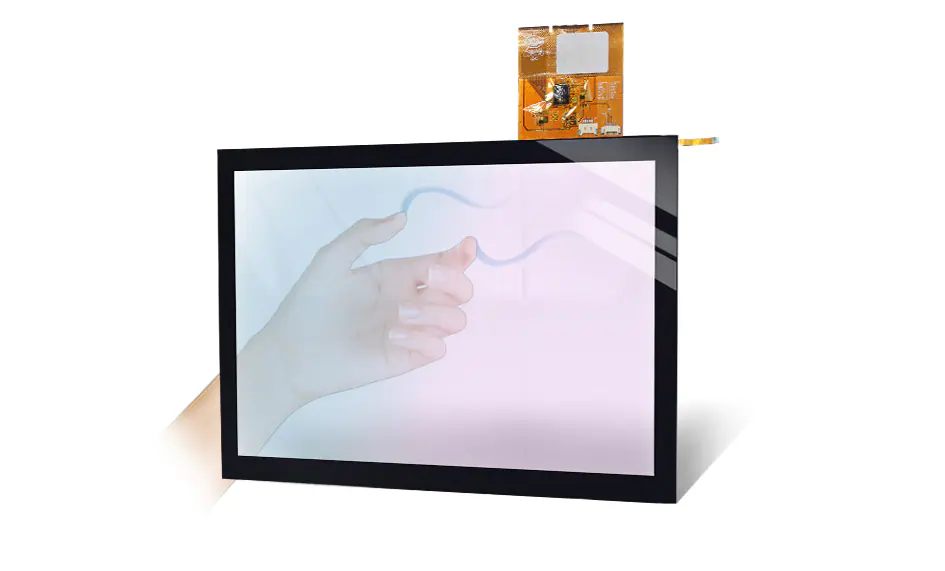
OEM device interface
Custom cover glass, sensor stack, FPC and controller matching for device housings.
A projected capacitive touch panel provides the touch-input layer; it includes an LCD only when quoted as a complete display module. Review cover glass, sensor, controller, USB or I2C interface and cable layout together, then send your drawing for a configuration review.
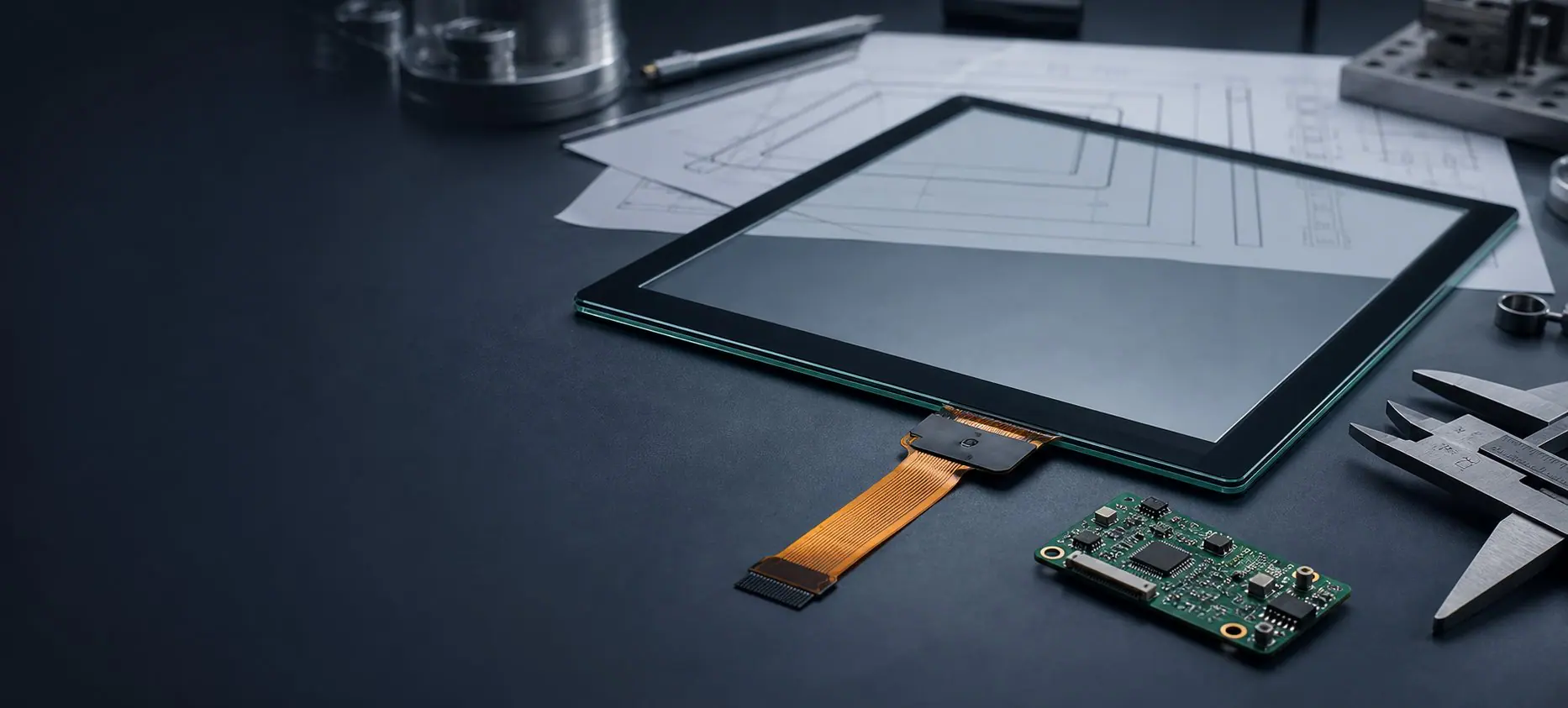
A PCAP project is usually won or lost in the details around glass outline, FPC direction, controller protocol, enclosure gap and operating environment.
Outer shape, black border, logo printing, thickness and AG, AR or AF surface options.
Touch controlUSB HID, I2C, RS232 option, FPC tail direction, connector and firmware tuning.
Module buildWhen the panel must be matched with an LCD, optical bonding or a touch display module.
EnvironmentGlove touch, wet touch, EMI, cleaning, outdoor exposure and sealed-front designs.
Browse PCAP touch panel models and related custom options. If your project needs a different size, glass outline, interface or bonding structure, send requirements for engineering review.
A capacitive touch panel is the core touch interface used in many modern industrial products. Compared with older pressure-based input methods, projected capacitive touch panels (PCAP) offer a cleaner glass surface, better touch responsiveness, support for multi-touch interaction, and a stronger premium feel for OEM equipment.
On this page, you can explore custom capacitive touch panels for industrial HMI systems, self-service terminals, medical devices, EV chargers, and other embedded projects. Depending on the stack design, industrial PCAP solutions can support glove touch, wet touch, water rejection, thicker cover glass, and custom front-surface treatments such as AG, AR, and AF coatings.
A capacitive touch panel can be customized with different cover lens structures depending on the target product and environment.
Real industrial touch performance depends not only on the panel itself, but also on the controller and firmware tuning.
A standard consumer touch panel is not enough for industrial use. System-level fit must be considered early.
The best industrial capacitive touch panel is selected based on the full application, not only the screen size. Buyers should define the operating conditions before finalizing the touch stack.
| Area | Basic Touch Panel | Industrial Capacitive Touch Panel |
|---|---|---|
| Cover Glass | Basic standard glass or consumer-style structure | Custom thickness, shape, black mask, AG/AR/AF options |
| Touch Performance | Standard finger touch | Can be tuned for glove touch, wet touch, and water rejection |
| Durability | General use | Better suited for industrial, public-use, and harsh front surfaces |
| Integration | Limited project flexibility | Designed around OEM drawings and project requirements |
| Reliability Focus | Short-term function | Better suited for long-term industrial deployment |
Modern PCAP can work well with gloves and moisture, but only when the controller and sensor stack are properly tuned for the target environment.
Glass thickness, anti-glare, anti-reflective, and anti-fingerprint coatings directly affect usability, clarity, and durability.
EMI, enclosure pressure, sealing, and cable routing can influence final touch stability as much as the panel itself.
Yes. EverGlory can review custom sensor size, active area, cover-glass outline, printing, FPC direction and controller requirements. Final feasibility depends on the drawing, LCD, enclosure, operating environment and project quantity.
Many PCAP projects can support glove input, wet fingers and water-rejection tuning, but the result depends on the glove, cover glass, sensor, controller settings, grounding and final enclosure. Confirm the intended conditions and validate the complete system.
Provide the LCD model, active and visible areas, outer dimensions, cover-glass drawing, interface, controller or motherboard, FPC direction, mounting structure, operating environment and estimated quantity. These details allow an early integration-risk review.
Tell us your panel size, cover glass requirement, glove or wet-touch conditions, and application environment. We will recommend the right PCAP touch structure for your project.
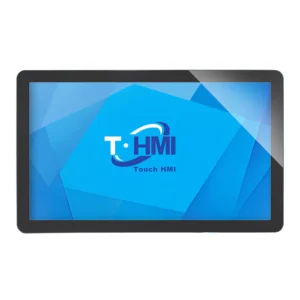
Large or exposed-use touch panel route where front durability and water tolerance matter most.
Read more
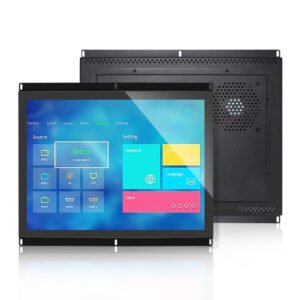
Large-format PCAP panel for interactive dashboards, operator stations and integrated display modules.
Read more
Large or exposed-use touch panel route where front durability and water tolerance matter most.
Read more
Large or exposed-use touch panel route where front durability and water tolerance matter most.
Read more
Compact touch panel for small terminals, embedded controls and equipment status interfaces.
Read more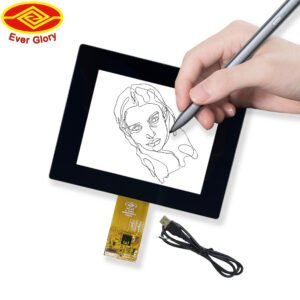
Compact touch panel for small terminals, embedded controls and equipment status interfaces.
Read more
Large or exposed-use touch panel route where front durability and water tolerance matter most.
Read more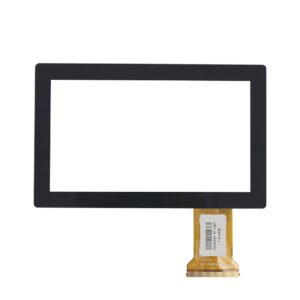
Compact touch panel for small terminals, embedded controls and equipment status interfaces.
Read more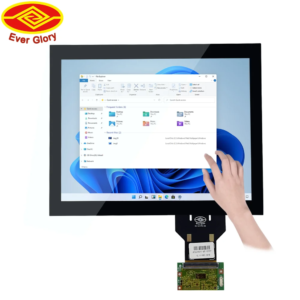
Compact touch panel for small terminals, embedded controls and equipment status interfaces.
Read more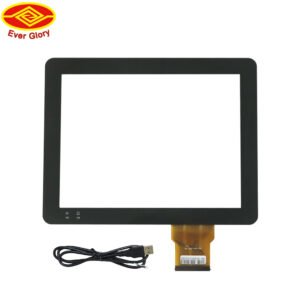
Large or exposed-use touch panel route where front durability and water tolerance matter most.
Read more
Compact touch panel for small terminals, embedded controls and equipment status interfaces.
Read more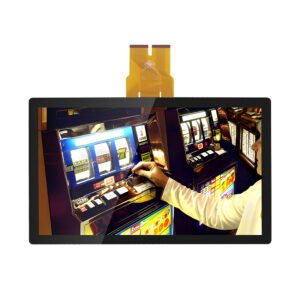
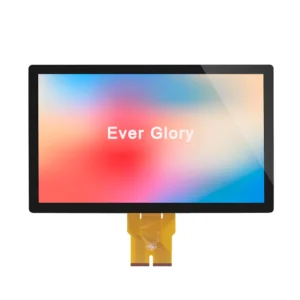
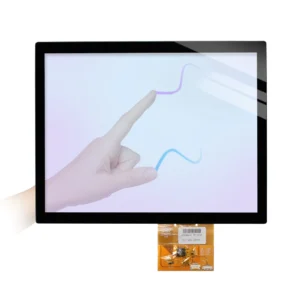
Projected capacitive touch panel option for OEM devices, HMI interfaces and embedded equipment.
Read moreConfirm the practical engineering parameters before choosing a standard touch panel or asking for a custom PCAP build.
| Project requirement | Recommended focus | Why it matters |
|---|---|---|
| Outdoor terminal or kiosk | Durable cover glass, water tolerance, anti-glare surface and vandal resistance | Protects the front surface and keeps touch response stable in exposed public-use equipment. |
| Industrial HMI panel | PCAP controller choice, grounding design, EMI behavior and FPC direction | Reduces unstable touch response when installed near drives, motors, cabinets or metal structures. |
| Medical or clean equipment | Flat cover glass, chemical resistance, glove operation and repeatable wipe-down behavior | Supports cleaner front design and predictable interaction during frequent cleaning. |
| OEM display module | LCD matching, air or optical bonding, flatness, cable routing and long-term supply | Helps avoid mechanical redesign when the touch panel becomes part of a complete module. |
These application examples make it easier to decide whether your project needs a standalone PCAP touch panel, a bonded touch display module or a finished touch screen monitor.
Custom cover glass, sensor stack, FPC and controller matching for device housings.
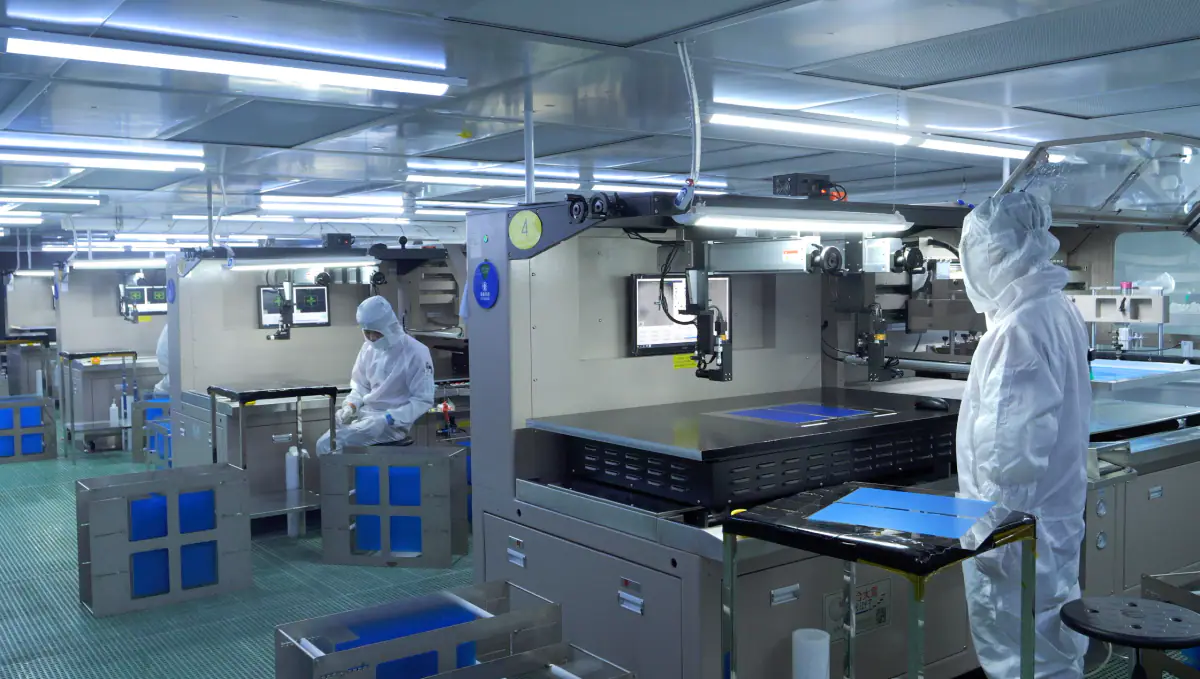
Stable PCAP operation for control panels, automation terminals and factory equipment.
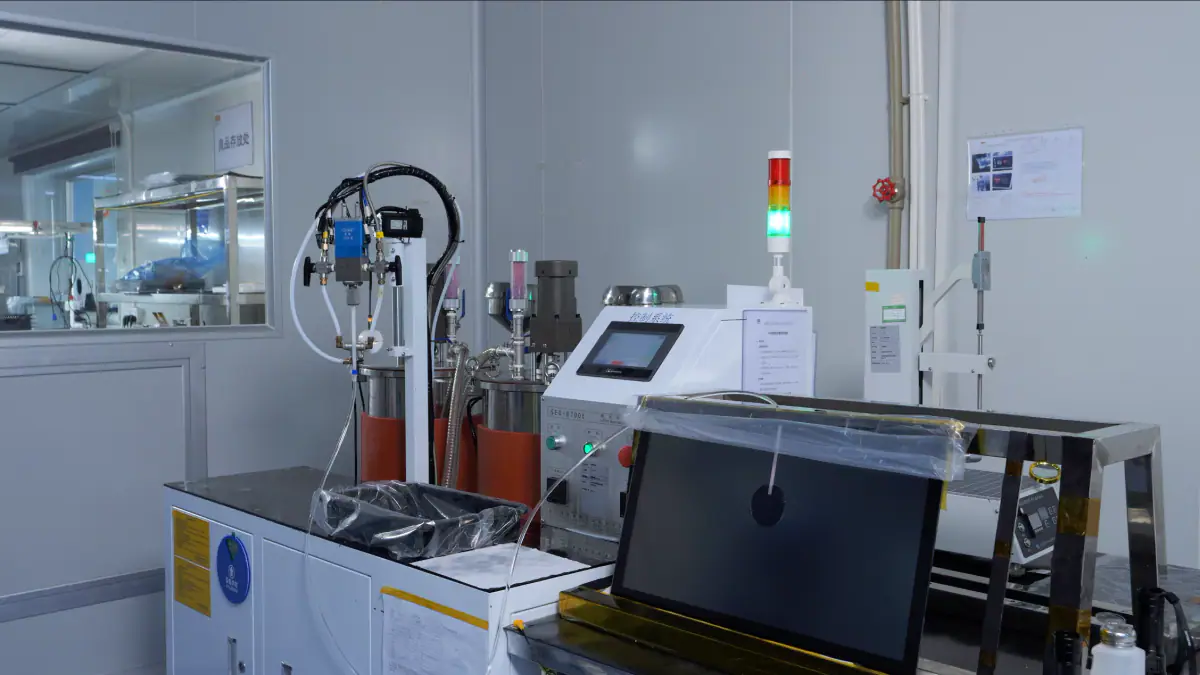
LCD matching and bonding support when the touch panel is part of a complete module.
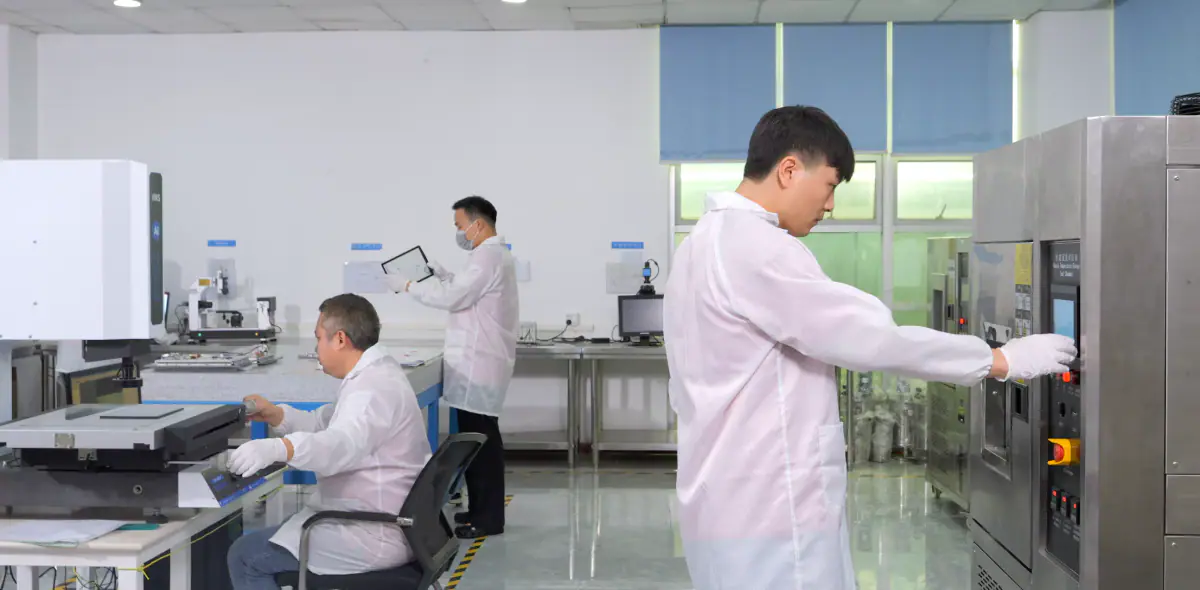
Flat front glass, cleaning behavior and repeatable touch validation for equipment UIs.
If the touch panel alone is not enough, compare the next integration level before sending your project request.
For custom capacitive touch panels, quotation accuracy depends on the glass outline, active area, controller, interface, FPC direction, bonding method and operating environment.
Send RFQ details