
Controlled Records from Engineering Release to Shipment
Production evidence is meaningful only when it identifies the released revision, product configuration, batch or sample, inspection stage, acceptance criteria and approved disposition.
Production-control framework
The exact record set is agreed by project. The controls below show how engineering release, manufacturing checks and shipment evidence connect.
Released baseline
- Approved drawing and specification revision
- Defined product configuration and critical characteristics
- Change-control and release status
First article and pilot build
- Sample or batch identification
- Key dimensional, appearance and functional checks
- Issue disposition before production release
In-process quality control
- Process checkpoints defined by the control plan
- Material, assembly and workmanship verification
- Recorded nonconformity and corrective action
Functional and aging checks
- Touch, display and interface verification
- Burn-in or aging when included in the product plan
- Results tied to the checked unit or batch
Outgoing quality release
- Released revision and batch confirmation
- Final appearance and function verification
- Approved shipment disposition
Labeling, packaging and traceability
- Durable product identification
- Packaging and label requirements
- Revision and batch information defined for delivery
Watch how quality is controlled before shipment
This factory-recorded overview follows first-article inspection, in-process checks, outgoing inspection, traceability references and shipment preparation for industrial touch products.
Evidence boundary: the video demonstrates available process controls. Batch acceptance still requires records tied to the released revision, inspection plan and applicable shipment.
Video content index and recording information
- 00:00–00:08 — First completed unit and first-article checks against approved requirements.
- 00:08–00:14 — IPQC checks at critical assembly and intermediate functional stages.
- 00:14–00:20 — OQC, display and touch checks, traceability labels and golden-sample references.
- 00:20–00:28 — Controlled process and inspection documentation; drawing- and record-specific details are masked.
- 00:28–00:50 — Final protection and packaging for the required shipment configuration.
- 00:50–00:57 — Shipment preparation and EverGlory factory view.
Text alternative: the sequence connects the released product baseline to first-article inspection, IPQC, OQC, traceability, packaging and outgoing release.
Verified change-control example: PET traceability labels
A controlled EverGlory Engineering Change Notice documents a material upgrade from thermal-paper labels to PET labels across applicable products and materials.
Controlled identification
ECN ECN-20260703-002
Released July 3, 2026; effective July 10, 2026.
Release, review and approval recorded
Reason for change
The ECN addresses moisture damage, fading, peeling, blurring and loss of legibility during storage, transportation and long-term use.
Intended control improvement
PET labels were selected to improve print stability, durability and product identification, reducing the risk of lost or unreadable traceability information.
What this proves: the evidence demonstrates a real, approved material change with before/after comparison, effective-date control and traceability rationale.
Public-document rule: employee signatures, internal product codes and complete label numbers are removed from any website preview. The controlled ECN remains the source record.
Evidence availability by production stage
| Stage | Evidence status | Customer-facing use |
|---|---|---|
| Engineering release | Controlled PCAP drawings and product specifications have been verified across multiple sizes. | De-identified reference summaries; project drawing supplied under document control. |
| Engineering change | The PET traceability-label ECN has been verified with release, effective date, change rationale and approvals. | Public summary or redacted preview; controlled copy subject to approval. |
| Compliance and reliability | Verified FCC, rapid-temperature-change and optical measurement reports exist for defined samples and scopes. | Quote only the covered model, sample, conditions and result. |
| First article, IPQC, aging, OQC and packaging | These records are project- and batch-specific. A complete public example set has not yet been released. | Confirm required records and format before order; provide only when tied to the applicable project or batch. |
| Golden Sample | A public Golden Sample record has not yet been released. | Define approval, identification, retention and replacement rules in the project quality plan. |
Confirm FAI, IPQC, aging, OQC, traceability and packaging evidence required for the project.
Management systems supporting production control
IATF 16949:2016
Certified scope: design and manufacture of capacitive touch screens.
Valid through November 6, 2026
Request the current certificate or confirmed recertification status during supplier approval.
ISO 9001:2015
Certified scope includes R&D, production and sales of capacitive touch screens.
Valid through May 18, 2028
ISO 14001:2015
Certified environmental-management activities cover the stated touch-screen and cover-glass operations.
Valid through February 2, 2029
Scope boundary: these certificates support management-system controls. They do not replace a product-specific inspection record or test report.
Related resources: review our OEM/ODM workflow, engineering capabilities and quality and testing evidence.
Frequently asked questions
Can batch inspection records be supplied?
The required record set, format, retention period and delivery method should be confirmed for the project. Any supplied record must identify the applicable revision, sample or batch and acceptance criteria.
How are product changes controlled?
Material, drawing, process or labeling changes are recorded through an approved change process with affected scope, release date, effective date and required acknowledgement where applicable.
Does a management-system certificate prove that every batch passed inspection?
No. It supports the certified management-system scope. Batch acceptance still requires the matching production and inspection records.
Define the production evidence package
Tell us which First Article, IPQC, aging, OQC, traceability, packaging or compliance records your project requires. The record scope can be agreed before pilot production.
Controlled production evidence · source files reviewed
From released drawing to outgoing quality record
Internal control plans define the inspection route. Customer-facing evidence is released only when it is tied to the approved revision and production lot.
| Controlled source | Product route | Control gates represented | External evidence route |
|---|---|---|---|
| WI-QC-015-001 Production Control Plan Revision record: 12 Nov 2024 | Capacitive touch panel | FAI, IPQC, 100% functional and visual checks, OQC sampling, reliability sampling and packaging | Redacted, project-matched records can be supplied under document control. |
| WI-QC-015-003 Optical Bonding Control Plan | Optically bonded touch-display module | Material preparation, hot pressing, cleaning, bonding, degassing, UV curing, final inspection, FQC and packaging | Evidence is matched to the approved optical stack and lot. |
| Inspection standards Touch panel, display module, curved screen and cover glass | Applicable product route | Appearance, dimensions, function and sampling criteria are controlled by product type | Criteria are summarized publicly; internal documents and personal details are not published. |

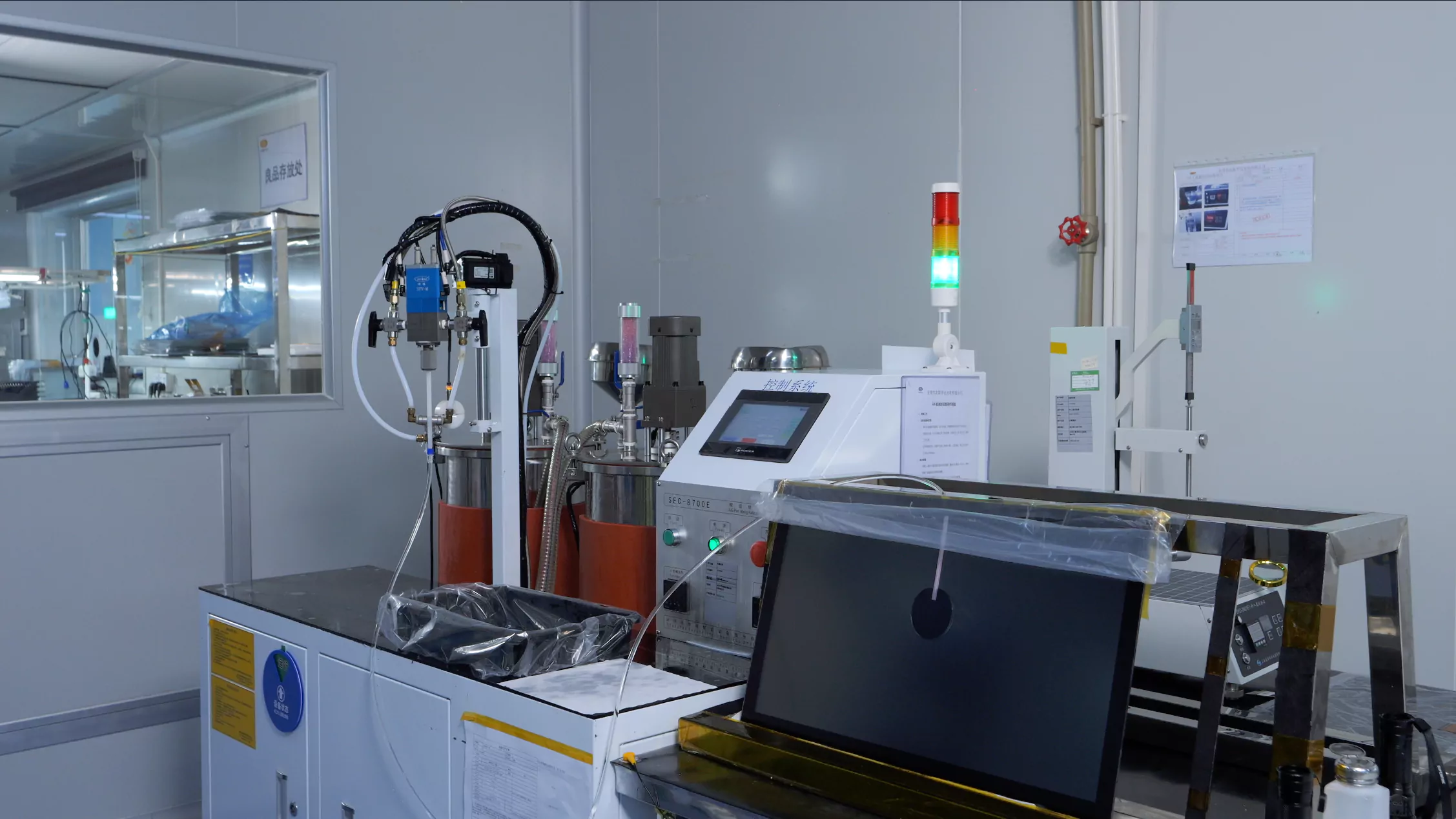


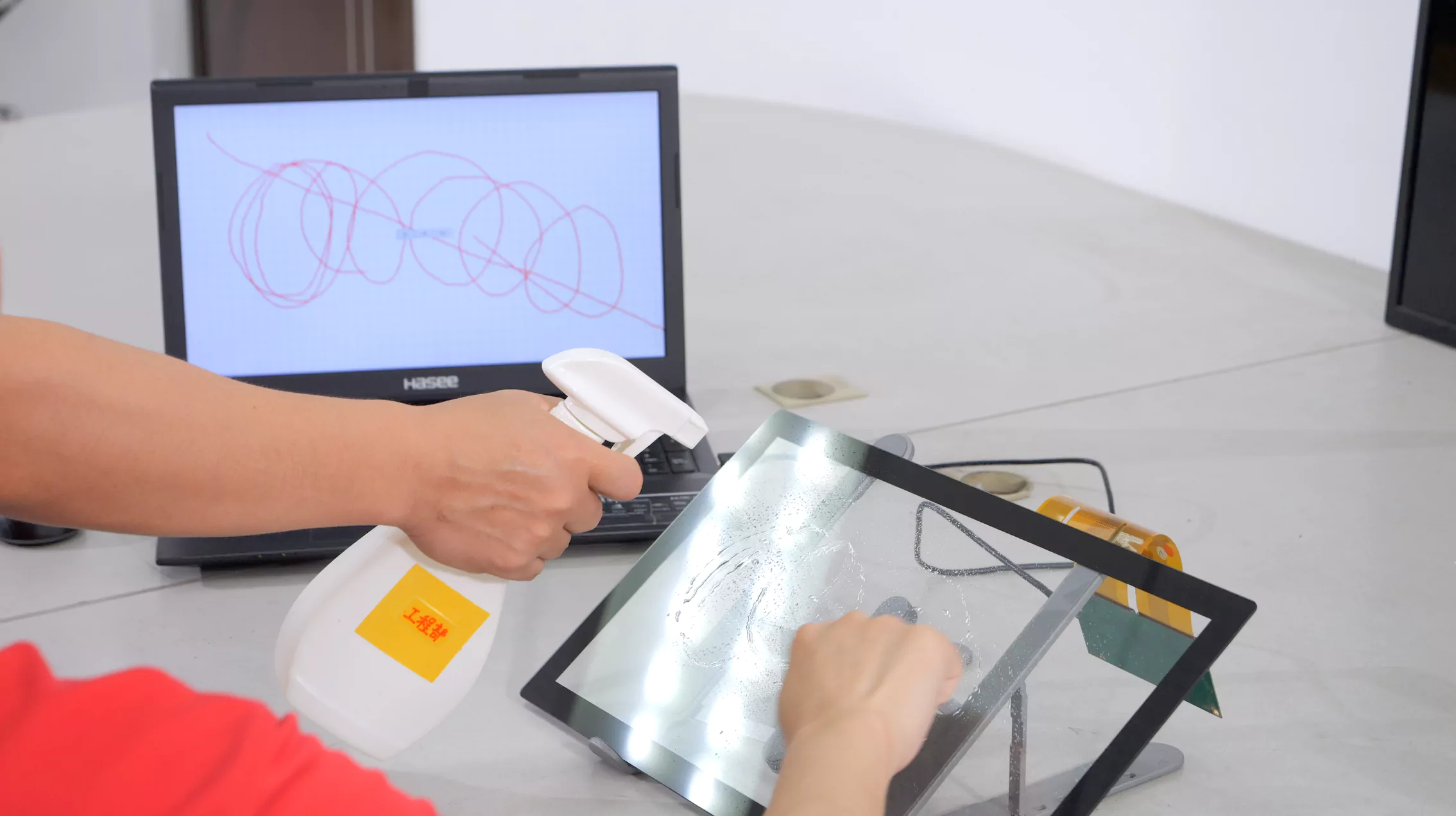
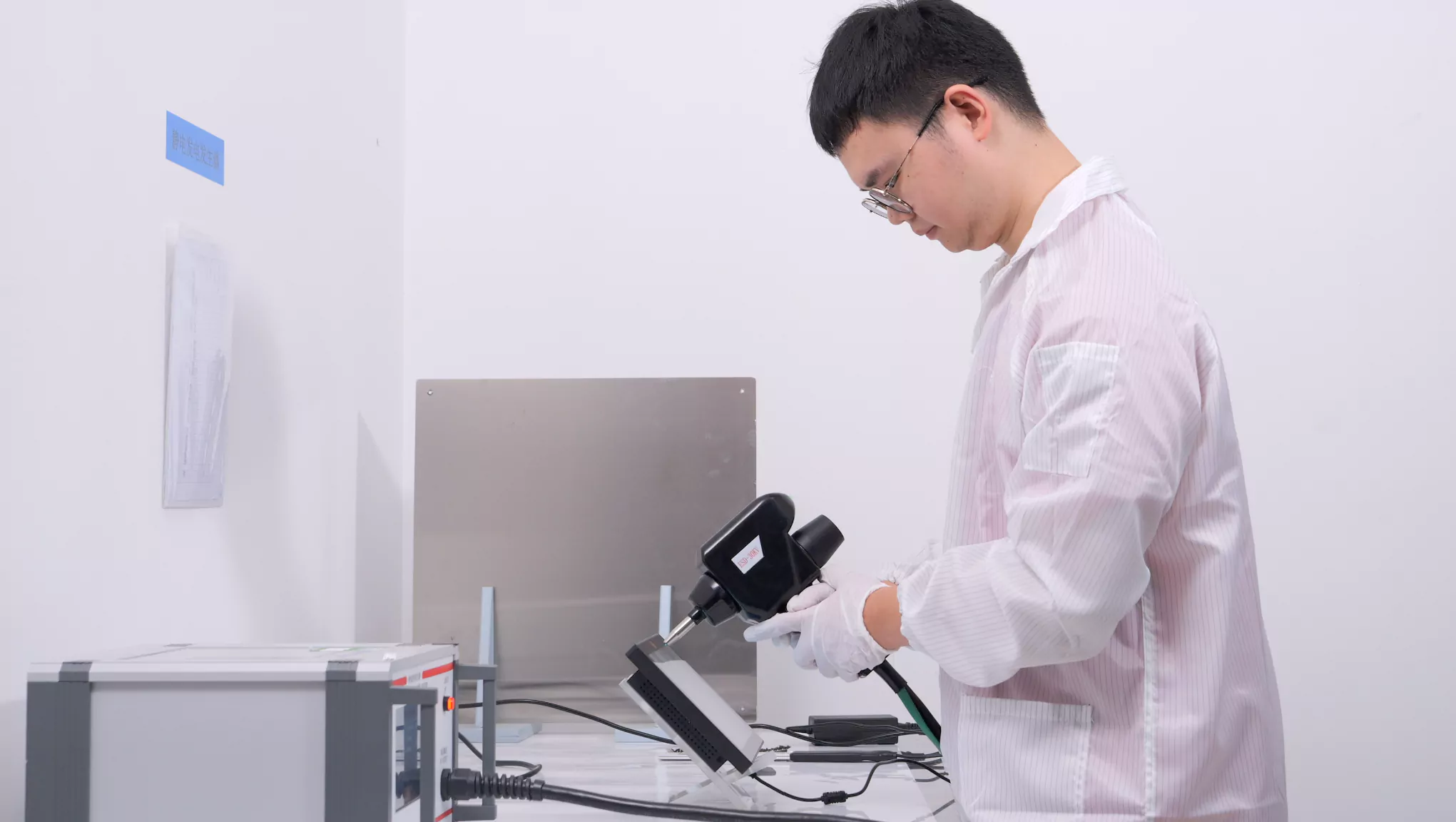
Evidence distinction: a factory photograph proves that the activity and equipment exist. A released FAI, IPQC or OQC record proves the result only for its identified revision and lot.
Related evidence
Connect production records to engineering evidence
A controlled production record should point back to the released drawing, approved configuration and relevant validation evidence.
OEM and ODM workflow
Review the release path from DFM to controlled production.
Quality and testing
Define conditions and records for the applicable product.
Compliance evidence
Confirm the certificate or report scope before supplier approval.