Food Manufacturing HMI Guide
How to Choose a Washdown Touch Screen for Food Manufacturing
Food manufacturing touch screens must survive cleaning cycles, gloves, wet hands, oil mist, temperature changes and long shifts while helping operators run production lines safely. The best touch screen for food manufacturing is not simply the brightest display or the cheapest panel. It is a sealed, cleanable and validated HMI that fits the machine, the sanitation process and the operator workflow.
Quick Selection Answer
For food manufacturing and washdown automation, choose an industrial PCAP touch screen monitor or touch panel PC with IP65 or higher front protection, stainless steel or corrosion-resistant housing where required, glove and wet touch support, durable tempered cover glass and a mounting structure that avoids dirt traps. For high-pressure washdown or strict sanitation zones, review the full enclosure, not only the front IP rating.
Food Production Environments Need Different HMI Choices
| Area | Typical Exposure | Recommended Display Direction | Key Check |
|---|---|---|---|
| Dry packaging line | Dust, frequent touch, long shifts. | Industrial touch monitor with durable glass and easy cleaning. | Touch accuracy and operator readability. |
| Wet processing area | Water, gloves, condensation and cleaning spray. | IP65 front or higher, wet touch tuning and sealed front structure. | Water film touch test and gasket design. |
| Sanitation washdown zone | Detergent, disinfectant and repeated wiping. | Stainless or corrosion-resistant housing, chemical review and smooth front surface. | Cleaner compatibility and no dirt-trap design. |
| Cold room or temperature transition | Condensation and cold starts. | Wide-temperature display, sealed structure and controlled thermal design. | Power-up test after cold soak and humidity exposure. |
Key Specification Areas
Cleanable Mechanical Design
Food plants care about sanitation and uptime. A smooth front surface, sealed edge, controlled gasket and suitable housing material reduce places where water, dust or residue can collect. If stainless steel is needed, confirm grade, finish and enclosure details instead of assuming all metal housings behave the same.
Glove and Wet Touch Operation
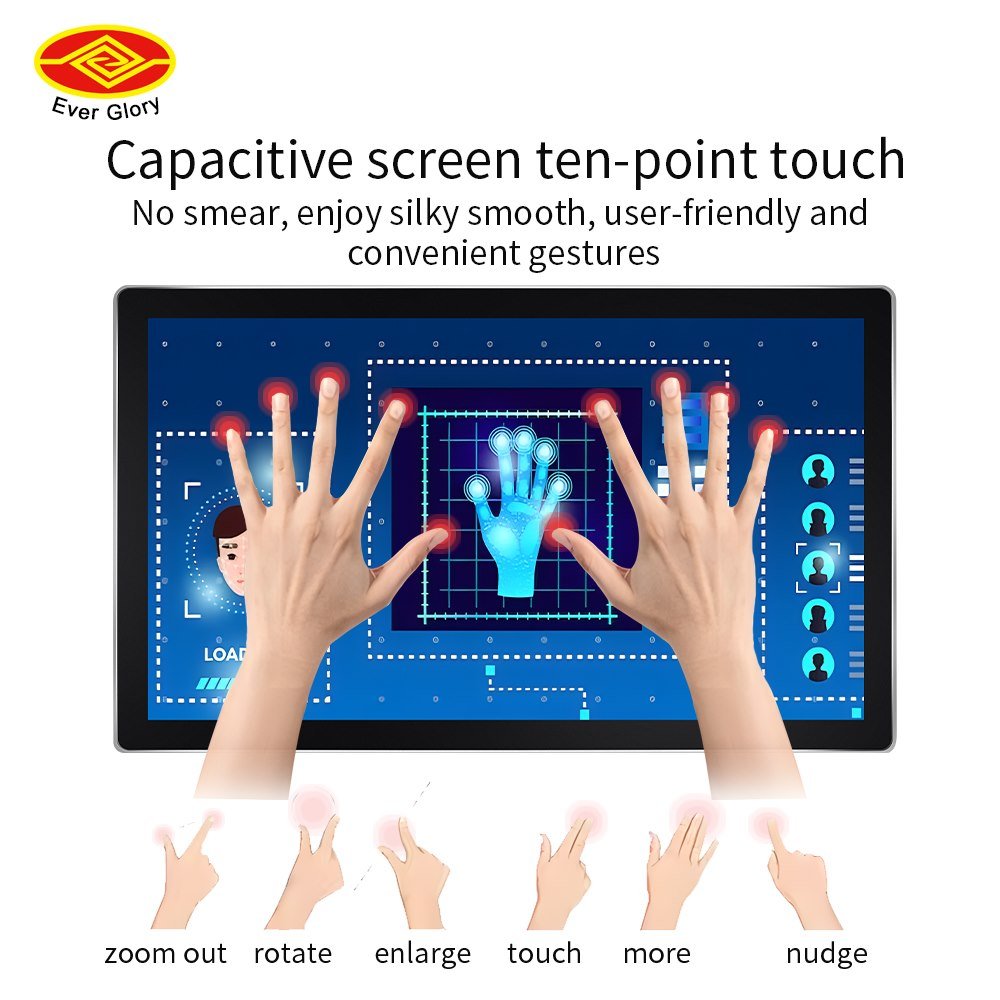
Operators may use nitrile gloves, wet gloves or insulated gloves. PCAP touch can support these conditions when the sensor, controller, glass thickness and firmware are matched. Test with the actual glove type and UI layout before production.
Ingress and Chemical Review
IP65 front protection is common for wet or cleaning-prone HMIs, but the complete machine protection depends on rear cover, cable gland, connector direction and installation angle. Cleaning chemicals can also affect coatings, labels and plastics, so material compatibility should be reviewed early.
Readability and Operator Speed
A clear HMI reduces operator error. Use adequate brightness, wide viewing angle, high contrast UI and cover glass treatment if overhead lights cause glare. Optical bonding may help in bright or condensation-prone areas.
Food Manufacturing Touch Screen Specification Table
| Specification | Practical Starting Point | When to Upgrade |
|---|---|---|
| Front rating | IP65 front for wet or cleaning-prone equipment. | Higher sealing or full enclosure review for washdown zones. |
| Touch technology | PCAP with glove and wet touch validation. | Special tuning for thick gloves or heavy water film. |
| Housing | Industrial metal housing or stainless front assembly. | Stainless enclosure for sanitation or corrosion-prone areas. |
| Brightness | 350 to 500 nits for indoor factory use. | 700+ nits or bonding for high ambient light or outdoor-facing lines. |
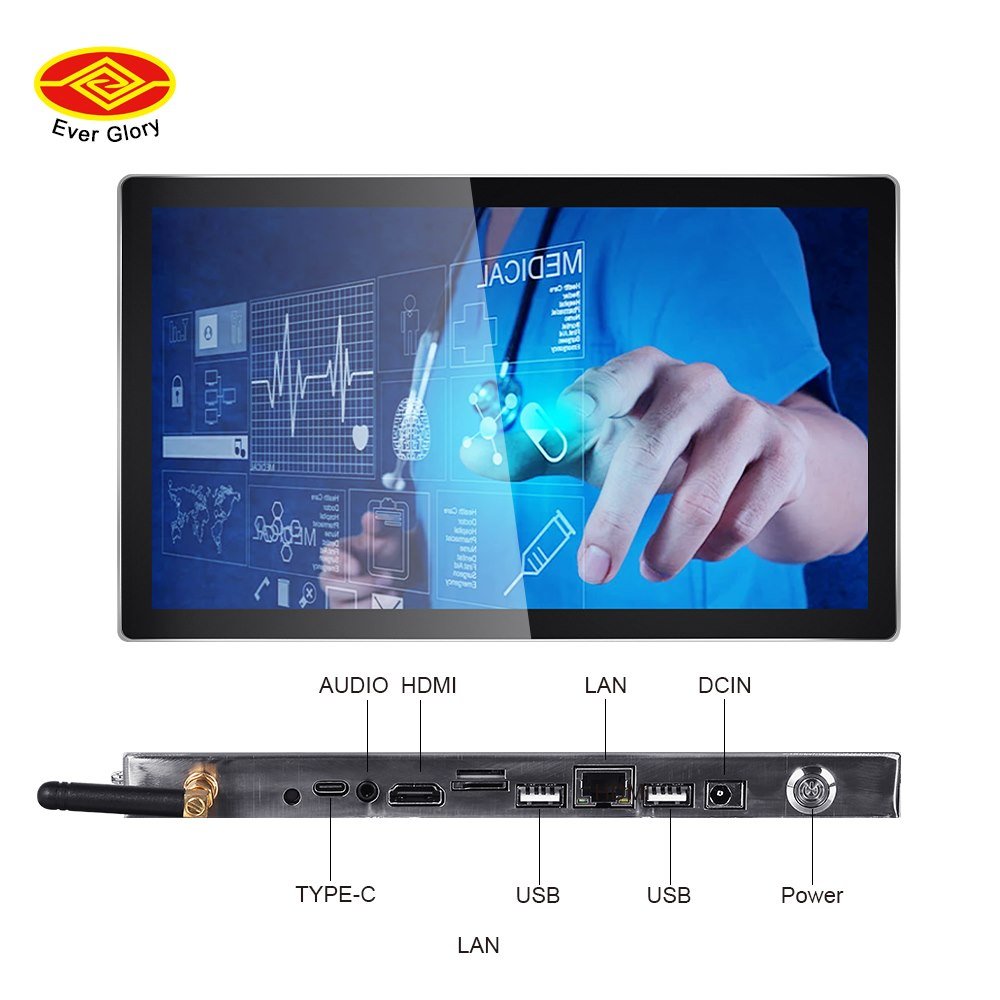
| Interface | HDMI/VGA/DP plus USB touch, or integrated panel PC. | Panel PC if the machine needs integrated computing and I/O. |
Validation Before Factory Rollout
- Touch operation with the actual glove type used by operators.
- Cleaning wipe test with approved plant chemicals.
- Water spray or humidity test according to the installation zone.
- Readability check under overhead lighting and line position.
- Service replacement test using the final mounting structure.
Related Engineering Guides
FAQ
What touch screen is best for food manufacturing?
An industrial PCAP touch screen with IP65 or higher front protection, cleanable cover glass and glove or wet touch validation is usually the best starting point.
Do food factory HMIs need stainless steel?
Not always. Stainless steel is important in washdown, sanitation or corrosion-prone zones. Dry packaging lines may use other industrial housings if they meet cleaning and durability needs.
Can operators use gloves on a capacitive touch screen?
Yes, if the PCAP sensor, controller, glass thickness and firmware are matched. The final design should be tested with the actual glove used in the plant.