Application & Integration Guides
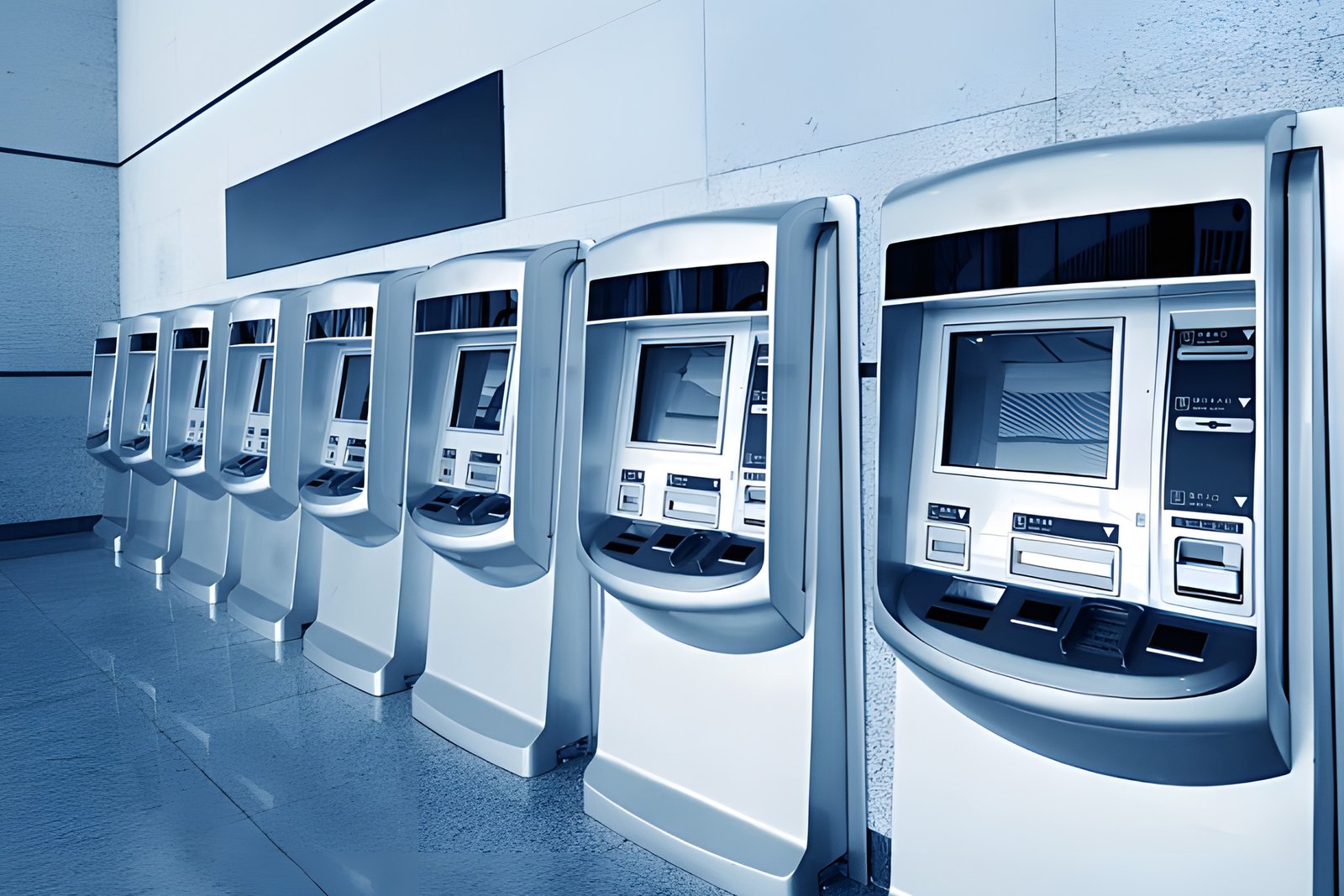
Reverse vending machines, EV charging stations and outdoor ticketing machines share the same business requirement: the screen must keep working when no operator is nearby. A frozen display, unreadable payment page or drifting touch point can stop revenue, create queues and increase service calls.
This guide explains how to specify a display and touch solution for outdoor smart terminals where public use, strong sunlight, temperature change and long operating hours are normal conditions.
Why Smart Terminals Need a Different Display Stack
Consumer displays and many indoor industrial screens are designed for controlled environments. Outdoor smart terminals operate in public locations such as parking lots, transit stations, recycling points, shopping centers, campuses and roadside service areas. These locations create a harsher duty cycle: more touch frequency, more cleaning, more accidental impact, more sun exposure and more electrical noise.
The correct solution is not simply a brighter LCD. It is a rugged display stack with optical, mechanical, electrical and firmware decisions made together.
Rugged Cover Glass and Optical Coatings
The front glass protects the whole terminal interface. For outdoor commercial equipment, 4-6 mm tempered or strengthened glass is commonly used, with the exact thickness depending on screen size, enclosure support, vandal risk and touch sensitivity target.
- AG coating reduces mirror-like reflections in bright locations.
- AR coating improves transmittance and contrast for direct-sun reading.
- AF coating helps reduce visible fingerprints and supports easier cleaning.
- UV and IR control can reduce long-term material aging and thermal stress.
For payment and public-service interfaces, the goal is not only a strong surface. Users must also be able to read the UI quickly, touch accurately and complete the task without repeated attempts.
Thermal Design and Enclosure Integration
Outdoor terminals often fail because heat has no planned path out of the enclosure. High-brightness backlights, sunlight exposure and sealed mechanical structures can raise internal temperature quickly. A good display design should be reviewed with the final terminal enclosure, not only tested on a bench.
| Thermal Risk | Design Response | Benefit |
|---|---|---|
| Backlight heat | Efficient LED backlight, metal heat path and brightness derating | Reduces black spot and brightness decay risk. |
| Solar loading | Optical coatings, UV/IR management and installation review | Limits heat gain and material aging. |
| Sealed enclosure | Internal airflow path, conductive heat spreading and serviceable layout | Supports continuous operation without overcomplicated cooling. |
| Condensation | Anti-condensation design, gasket review and optional heating | Improves touch stability in humid or cold climates. |
LCD Reliability for 24/7 Commercial Use
RVMs, EV chargers and ticketing systems may run all day and all night. The LCD module should be selected for backlight life, temperature rating, brightness stability and long-term supply. Common outdoor display problems include image retention, brightness loss, black spots under heat, polarizer aging and unstable signal behavior.
Optical bonding can improve readability and reduce internal reflection, especially for strong ambient light. It can also improve mechanical stability, but it must be matched with the correct adhesive, lamination process and repair strategy.
Touch Performance in Public Environments
Outdoor terminal users may touch the screen with wet fingers, gloves, dirty hands or after the surface has been exposed to rain. PCAP touch can support these conditions, but only when the controller, cover glass thickness, grounding and firmware are tuned for the final product.
- Wet-touch filtering helps avoid false activation from droplets.
- Glove-touch tuning supports winter and industrial users.
- Stable grounding reduces noise from chargers, motors and power lines.
- Factory calibration reduces field adjustment after installation.
Configuration by Terminal Type
| Application | Main Challenge | Recommended Focus |
|---|---|---|
| Reverse vending machine | Public use, cleaning, sunlight and high traffic | Durable front glass, anti-fingerprint surface, readable UI and reliable touch response |
| EV charging station | Outdoor grid, rain, sun, surge and payment reliability | High-brightness display, IP-rated front, EMI/ESD/surge protection and wide temperature |
| Outdoor ticketing machine | Queue pressure, fast selection and vandal risk | Responsive PCAP touch, anti-glare glass, reinforced structure and long-life LCD |
Compliance and Total Cost of Ownership
For export or large-scale deployment, display modules may need to support CE-related safety and EMC expectations as part of the final equipment. Low power consumption is also important when hundreds or thousands of terminals run continuously. A slightly better display stack can reduce field service, downtime and user complaints across the equipment lifecycle.
Design a More Reliable Outdoor Smart Terminal
EverGlory supports custom touch display modules for RVM, EV charging, ticketing, parking payment and outdoor kiosk projects. Share your size, brightness, interface and installation environment to receive a practical configuration review.
FAQ
What is the best display brightness for outdoor smart terminals?
Many outdoor terminals use 1000-1500 nit displays, but the correct choice depends on sunlight direction, optical bonding, cover glass treatment, power budget and heat management.
Should EV charging screens use optical bonding?
Optical bonding is recommended when readability, reflection control and front-stack durability are important. It is especially useful for outdoor chargers exposed to strong sunlight.
Can one touch display be used for RVM, EV charging and ticketing?
The same platform can often be adapted, but cover glass, brightness, sealing, interface and firmware tuning should be adjusted for each terminal’s environment and user behavior.
Why does an outdoor terminal screen turn black or show spots?
Black spots can be related to LCD heat stress, backlight design, direct solar loading or insufficient thermal path. Outdoor display design should include thermal review with the final enclosure.
Related links: custom touch display modules, industrial touch monitors, outdoor touch screen solutions.